Get a Free Quote

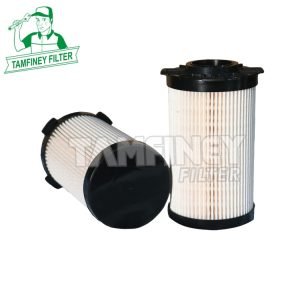
Professional Fleetguard FS19932 BF1346 FS19931 Spin-On Fuel Water Separator
Your Best Fleetguard FS19932 BF1346 FS19931 Spin-On Fuel Water Separator Fuel filter manufacturer in China.
CASE 1685159C91 BALDWIN-BF1296O ,BF1346 ,BF1346O ,BF1346SP ,BF1347 ,WBF219B1 FLEETGUARD-FS1291 ,FS19538 ,FS19798 ,FS19845 ,FS19847 ,FS19931 ,FS19932 ,FS19933 FRAM-PS7714 ,PS9794 HYUNDAI-31945-7L002 RACOR-S3226 ,S3226P ,S3226T ,S6464 R51402 JOHN DEERE-AT365870 DONALDSON P550554 P551034 Freightliner 324819006, 3-24819-006, 324957001 MACK PS9794



| Fuel Filter FS19932 BF1346 FS19931 Parameter: | |
| Part Number | FS19932 BF1346 FS19931 |
| Brand | Tamfiney |
| Weight | 756 g |
| Height | 182 mm |
| Outer Diameter | 108 mm |
| Inner Diameter/ Thread Size |
1" - 14 |
| Minimum Order | 100 PCS |
| Place of Region: | Zhejiang, China |
| Payment Terms: | T/T |
| Price Terms: | FOB |
| Lead Time: | 30 to 50 days based on order quantities |
| Market Type: | After Market |
| Current Export Market: | Southeast Asian,North America, South America, Western Europe, Eastern Europe, Africa, Oceania |
Applications:
- Ford Trucks: A9513, AT9513, LT9500, ST9500
- Western Star Trucks: 3800, 4900E, 4964, 4986
- Sterling Trucks: L9500, LT9500, LT9522
- Autocar Trucks: ACL series
- Mercedes-Benz: Integro M-O 550
- Caterpillar: L6 10.5L, L6 12L, L6 14.6L
- Detroit Diesel: L6 11.1L, L6 12.7L, L6 15.2L
Professional Fleetguard FS19932 BF1346 FS19931 Spin-On Fuel Water Separator
The FS19932 Spin-On Fuel Water Separator is engineered for superior fuel system protection. With filters, engines are safeguarded from water, dirt, and debris. Its innovative filtration media guarantees exceptional removal efficiency in the harshest operating conditions. In addition, the robust spin-on design makes filter replacement fast and mess-free. With every fuel filter installed, users experience smoother engine starts and prolonged injector life.
Additionally, FS19932 excels at maintaining consistent fuel flow, improving combustion and reducing pollutant emissions. It impressively enhances overall engine performance while lowering maintenance costs.
BF1346: Reliable Alternative for Flexible Maintenance
For users seeking flexible sourcing, the BF1346 acts as a reliable alternative to the FS19932. It mirrors high-efficiency filtration and robust construction. As a result, BF1346 fulfills the same strict requirements for modern diesel engines. Operators benefit from seamless interchangeability and assertive contaminant removal.
Moreover, BF1346’s use alongside FS19932 simplifies inventory and procurement processes. TAMFINEY keeps BF1346 in constant supply to meet urgent or high-volume demands. Switching between BF1346 maintains uninterrupted engine protection, regardless of application.
FS19931: Engineered for Precision and Durability
Let’s turn our attention to the FS19931, another high-performing fuel water separator filter. Like FS19932, FS19931 offers cutting-edge water separation and particle retention. Its precise fit ensures a leak-free seal and consistent filter performance under high pressures.
Furthermore, FS19931 is built to withstand rugged use, resisting corrosion and physical stress. The use of FS19931 alongside FS19932 boosts maintenance flexibility across different engine models. At TAMFINEY, we stock both options for your convenience, supporting a wide array of operational needs.
Fleetguard FS19932: Safeguard Your Fleet with Assurance
Fleetguard FS19932 doesn’t just protect engines—it helps optimize their performance and lifespan. Advanced media technology ensures maximum water and sediment retention, drastically reducing injector and pump wear. Each filter separator undergoes strict quality control, promising reliability in every unit.
By choosing this filter, operators minimize unscheduled downtime and achieve longer intervals between filter changes. With TAMFINEY’s expertise and supply consistency, let set the new standard in your fleet’s maintenance schedule.
TAMFINEY: Your Partner in Spin-On Fuel Water Separation
At TAMFINEY, we deliver industry-leading solutions including FS19932, BF1346, and FS19931 filters. We offer expert guidance, ensuring customers select the right filter for every situation. Fast, reliable shipping and responsive support define our service from inquiry to installation.
Our focus at TAMFINEY is customer success. Your fleet’s longevity and performance depend on our filtration products and expert recommendations.
Conclusion: Trust FS19932 and TAMFINEY for Lasting Protection
In conclusion, the FS19932, paired with BF1346 and FS19931 alternatives, guarantees robust protection for diesel engines. TAMFINEY ensures immediate access, knowledgeable support, and uncompromised quality. Secure your engines with Tamifney filters and experience unparalleled filtration performance. For the best in fuel water separation, always choose TAMFINEY.
Q: What does a fuel water separator do?
1.The working mechanism of the fuel water separator is based on the density difference between water and fuel, using the principle of the Earth's gravitational field to promote relative motion between the two, thereby achieving the separation effect of oil rising and water sinking.
2.As a type of fuel filter, the main responsibility of the fuel water separator is to remove moisture from the fuel, thereby reducing the risk of fuel injector failure and extending the service life of the engine.
3.For diesel engines, the fuel water separator plays a crucial role. As a type of fuel filter, it is mainly used to filter the moisture in the fuel, ensuring that diesel meets the requirements of high-pressure common rail engines for oil products.
4. The compressed air fuel water separator adopts the proprietary gas-liquid separation system of Yida, combining cyclone separation and stainless steel wire mesh mist capture technology. The core principle lies in the synergistic effect of centrifugal force and agglomeration force. OCr18Ni9 is used as the agglomeration packing inside, and the gas water separation efficiency is over 99%, ensuring thorough gas-liquid separation and effectively preventing secondary evaporation of water.
Q: How often do you drain the fuel water separator on a 6.7 powerstroke?
Regarding the drainage frequency of the fuel water separator, it should be clarified that it is not directly related to the number of "power strokes" of the engine, but mainly depends on the vehicle's mileage, fuel quality, and usage environment.
Overall, there is no absolutely fixed emptying cycle, but the following suggestions can be considered:
• General recommendation: It is usually recommended to conduct an inspection and replacement every 10000 to 20000 kilometers of driving. But this is not an iron rule and needs to be flexibly adjusted according to the actual situation.
• More proactive inspection frequency: In order to maintain the vehicle more proactively, a strategy of "inspection" rather than "fixed replacement" can be adopted. It is recommended to check the water accumulation in the fuel water separator every 2000 kilometers. If a large amount of water is found, it should be manually drained in a timely manner.
Key influencing factors: The following situations will significantly shorten the service life and drainage interval of the fuel water separator, requiring more frequent inspection and maintenance:
Poor fuel quality: Adding fuel with high impurities and moisture content can accelerate the blockage and failure of the fuel water separator.
Poor operating environment: Driving frequently in damp, rainy, and dusty environments can increase the likelihood of water and debris entering the fuel system.
Vehicle usage intensity: For diesel vehicles, if the vehicle is frequently used, the frequency of water discharge should also increase accordingly.
Summary suggestion:
The safest approach is to conduct regular inspections based on mileage. You can use "check every 2000 kilometers" as a basic frequency to determine water accumulation by observing the observation window on the fuel water separator or directly discharging. At the same time, it is important to refer to your vehicle manual as different vehicle manufacturers may have specific recommendations. If the manual recommends replacing every 10000 kilometers and you frequently use low-quality fuel, then you should replace it at 8000 kilometers or even shorter in advance.
Q: How do I empty a fuel water separator?
Clearing the fuel water separator is an important maintenance step, and the specific method needs to be adjusted according to the equipment type and blockage situation. The following are general steps and precautions, organized based on common operating procedures.
Universal Clearing Procedure
1. Safety preparation
* Turn off the device power or vehicle engine, ensure the device is cool, and avoid burns or short circuits.
* Prepare a container to collect and drain oil and water, wear gloves and goggles to protect the skin and eyes.
2. Drain the internal oil and water
* Find the drain valve at the bottom of the separator (some equipment has a manual drain valve), open it, and let the fuel water mixture flow into the prepared container.
* If the oil discharge valve is blocked, the valve can be rinsed with hot water at 60-80 ℃ to soften the grease. Do not stab it with hard objects such as iron wire.
* Close the valve when the discharged liquid is clear and free of impurities.
3. Disassembly and deep cleaning (if thorough cleaning is required)
* Disassemble the separator casing and internal components (such as filters and compartments), pay attention to marking the connection sequence for reassembly.
* Soak the parts in food grade cleaning agents or alkaline cleaning agents (pH ≤ 10), gently brush stubborn oil stains with a soft brush, and avoid scratching the inner wall with steel wire balls.
* High pressure water gun for low-pressure flushing (pressure ≤ 0.5MPa) of the internal chamber, with a focus on removing oil and grease adhesion areas.
4. Inspection and reassembly
* After cleaning, check whether the filter screen and sealing gasket are damaged. If they are damaged, they need to be replaced.
* Reinstall the separator to ensure that the connection is tight and there is no oil leakage. After installation, power on or start the equipment to test and observe if it is functioning properly.
Precautions
• Type difference: Automotive fuel water separators need to be operated in a professional environment, while catering equipment needs to ensure power outage and use food grade cleaning agents.
• Frequency recommendation: Regularly clear (such as monthly or quarterly). If the equipment frequently clogs, it may be necessary to replace the filter element instead of just cleaning it.
• Environmental protection treatment: The collected waste oil and water should be disposed of properly according to local regulations to avoid direct discharge into the sewer.
If the equipment is severely blocked or the operation is complicated, it is recommended to contact professional maintenance personnel for handling to avoid damaging the equipment.