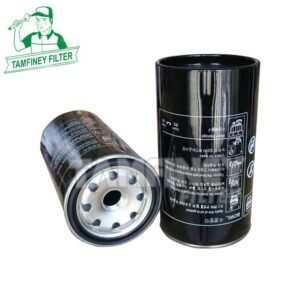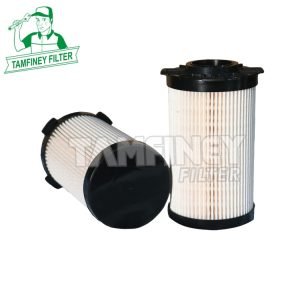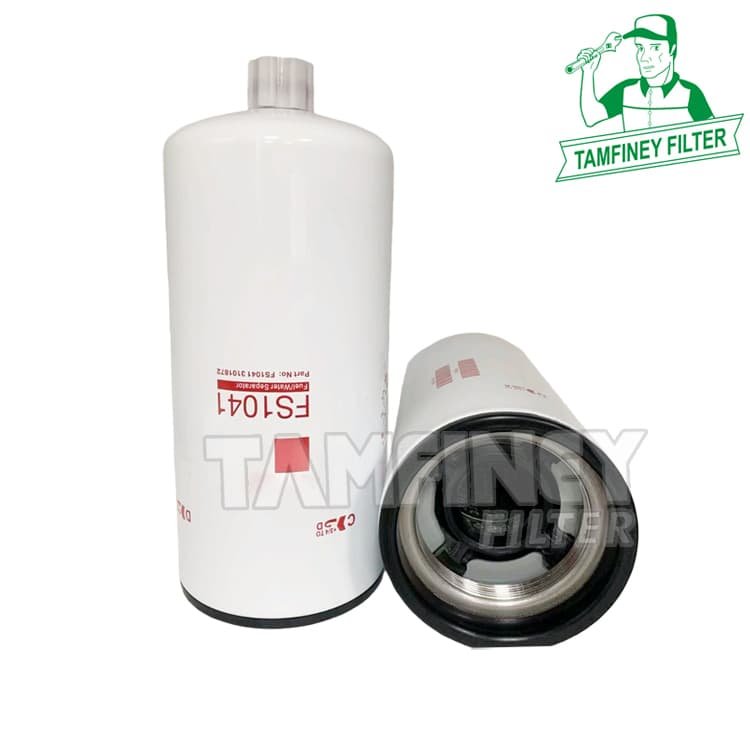



| Fuel Filter FS1041 3104081 WK12002 Parameter: | |
| Part Number | FS1041 3104081 WK12002 |
| Brand | Tamfiney |
| Weight | 2020g |
| Height | 283 mm |
| Outer Diameter | 118 mm |
| Inner Diameter/ Thread Size | M85 x 2 -7H |
| Minimum Order | 100 PCS |
| Place of Region: | Zhejiang, China |
| Payment Terms: | T/T |
| Price Terms: | FOB |
| Lead Time: | 30 to 50 days based on order quantities |
| Market Type: | After Market |
| Current Export Market: | Southeast Asian,North America, South America, Western Europe, Eastern Europe, Africa, Oceania |
Applications:
CASE STX 480STX 530STX 535 QUADTRAC
HYUNDAI R 800 LC-7AR 800 LC-9
KAWASAKI 95 ZV-2
NEW HOLLAND T 9060TJ 380TJ 430TJ 480TJ 530
Professional Fleetguard FS1041 Fuel/Water Separator 3104081 WK12002
Q: What does FS1041 do?
It is a Cummins fuel filter (most common industrial use): used in diesel engines (such as construction machinery, trucks, generators) as an fuel water separator, filtering fuel impurities and separating moisture to protect the engine system; Suitable for models such as QSL9 and QSX15.
Q: What will a 10 micron filter remove?
A 10 micron filter can filter solid particles, suspended solids, and some colloidal substances with a diameter greater than 10 microns, such as sediment, rust, pollen, and other visible or near visible impurities, but cannot stop bacteria and viruses.
How big can it block
Solid particles: Particles with a diameter of 10 microns or more can be intercepted, including dust, metal shavings, plastic particles, etc.
Liquid impurities: suspended solids, sediment, rust, algae fragments, etc. in water, and solid pollutants in oil can also be effectively removed.
Partial colloidal substances: Some larger colloidal particles can be intercepted, but smaller colloids require higher precision filters.
Something that cannot be stopped: Bacteria typically have a diameter of 0.2-2 microns, viruses are smaller, and 10 micron filters cannot filter them. A filter with a precision of 0.22 microns or higher is needed to remove bacteria.