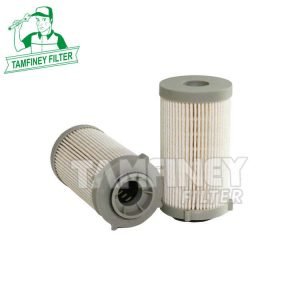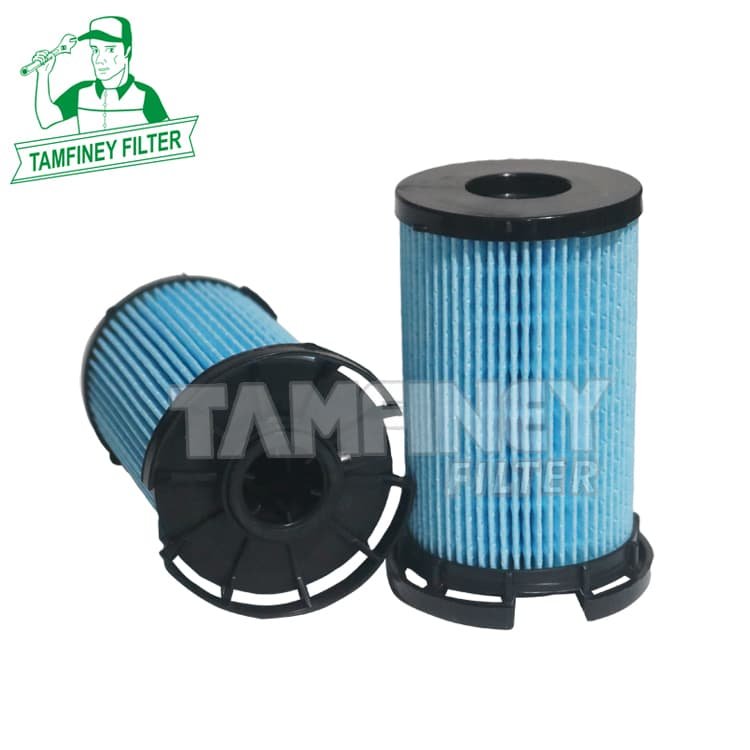


| Fuel Filter Ha10016371 2002801CP 4110003755084 Parameter: | |
| Part Number | Ha10016371 2002801CP 4110003755084 |
| Brand | Tamfiney |
| Weight | 187 g |
| Height | 117/130 mm |
| Outer Diameter | 86/81 mm |
| Inner Diameter/ Thread Size | 18 mm |
| Minimum Order | 100 PCS |
| Place of Region: | Zhejiang, China |
| Payment Terms: | T/T |
| Price Terms: | FOB |
| Lead Time: | 30 to 50 days based on order quantities |
| Market Type: | After Market |
| Current Export Market: | Southeast Asian,North America, South America, Western Europe, Eastern Europe, Africa, Oceania |
Applications:
Lw200fv Loader Cloud
Professional Engine Fuel Filter Ha10016371 2002801CP 4110003755084
Q: What is an engine fuel filter?
Engine fuel filter is a key component of the automotive fuel system, used to filter impurities (such as iron oxide, dust) and moisture in the fuel, prevent nozzle blockage, protect engine parts such as the fuel pump and piston rings, and ensure stable fuel supply and efficient engine operation
Main functions
Filter impurities: intercept solid particles in fuel to avoid clogging of fuel injectors.
Protective components: reduce wear and tear on parts such as oil pumps and fuel injectors, and extend engine life
Improving performance: Clean fuel can improve combustion efficiency, reduce fuel consumption and exhaust emissions.
Type and location
External: located under the chassis, easy to replace
Built in: integrated into the fuel tank, requiring professional tools for disassembly
Q: What happens if I never change the engine filter?
If the engine fuel filter is never replaced, it will cause a series of serious negative effects on the engine, ultimately leading to severe engine damage.
Specifically, the main issues include:
Oil pollution intensifies and lubrication effect decreases: The core function of the oil filter is to filter metal debris, dust, and other impurities in the oil. If not replaced, the filter will become clogged and ineffective, unable to filter effectively, resulting in impurities continuing to exist in the engine oil. This will reduce the lubrication performance of the engine oil, causing the internal parts of the engine (such as pistons, bearings, etc.) to wear more severely due to insufficient lubrication.
Reduced engine performance: Due to increased internal wear and poor lubrication, the engine may experience issues such as reduced power, weak acceleration, and idle shaking, resulting in a feeling of "powerlessness" while driving.
Increased fuel consumption and maintenance costs:
Poor lubrication results in increased engine resistance. In order to maintain normal operation, the vehicle may consume more fuel, leading to an increase in fuel consumption. At the same time, abnormal wear of parts can significantly shorten the engine life, greatly increase the frequency and cost of later maintenance, and may even cause serious malfunctions that require major repairs.
May cause serious mechanical failures: In extreme cases, continuous impurity contamination and poor lubrication can lead to low oil pressure, causing catastrophic mechanical failures such as engine tile sticking and cylinder pulling, with extremely high repair costs.
Therefore, in order to ensure the normal operation and long service life of the engine, it is strongly recommended to replace the oil filter with a new one every time the oil is changed. This is one of the most cost-effective ways to maintain an engine.
Q: Can I drive with a bad fuel filter?
It is not recommended to continue driving when the fuel filter indicator light is on. This indicator light usually indicates that there may be a malfunction in the fuel system, such as a clogged fuel filter, a problem with the fuel pump, or the presence of water in the fuel. If driving continues, it may lead to a decrease in engine performance, weakened power, or even engine damage, especially at high speeds or in complex road conditions, which may pose a safety hazard.
Although in rare cases, the indicator light may be a false alarm from the sensor, it is not possible to accurately determine the degree of the fault on its own. Therefore, the safest approach is to immediately stop the vehicle and contact professional maintenance personnel for inspection. Before maintenance, avoid long-distance or high-speed driving to prevent the risk of sudden stalling or power loss of the vehicle.
If the vehicle has experienced symptoms such as difficulty starting, idle shaking, or increased fuel consumption, this may be a sign of fuel filter failure and needs to be dealt with in a timely manner. Regularly replacing the fuel filter (usually every 20000 to 40000 kilometers or as recommended in the maintenance manual) can help avoid such problems.