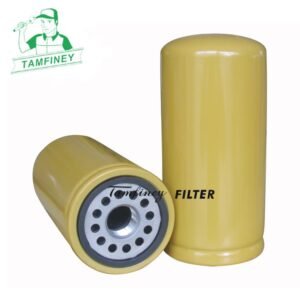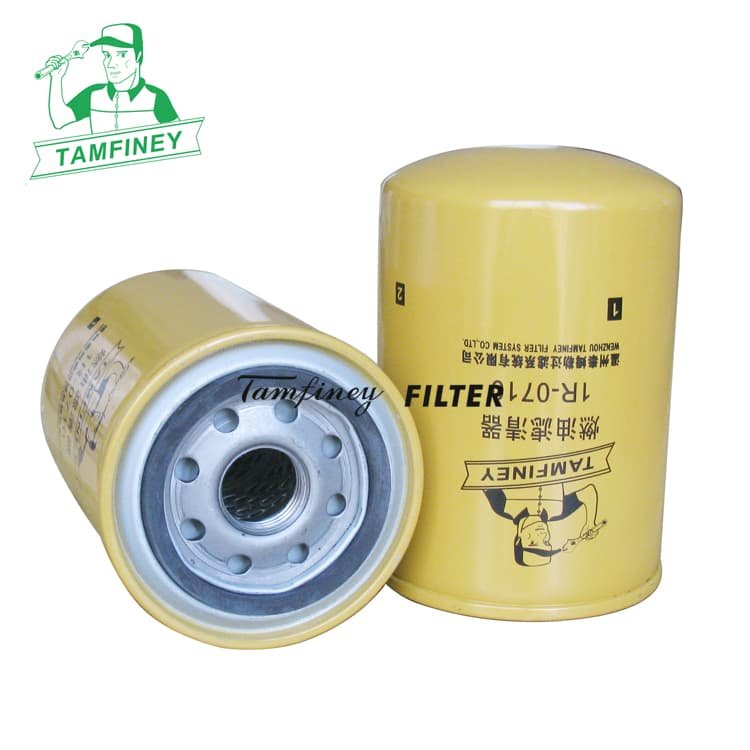


| Diesel Fuel Filter Replacement FF183 FC-5503 WK940-1 74028945 Parameter: | |
| Part Number | FF183 FC-5503 WK940-1 74028945 |
| Brand | Tamfiney |
| Weight | 420g |
| Height | 138 mm |
| Outer Diameter | 95 mm |
| Inner Diameter/ Thread Size | 15/16-16 UN-2B |
| Minimum Order | 100 PCS |
| Place of Region: | Zhejiang, China |
| Payment Terms: | T/T |
| Price Terms: | FOB |
| Lead Time: | 30 to 50 days based on order quantities |
| Market Type: | After Market |
| Current Export Market: | Southeast Asian,North America, South America, Western Europe, Eastern Europe, Africa, Oceania |
What vehicles does FF183 fit?
FIAT TL 545
FURUKAWA 645 B
OLIVER 20502150
WHITE 2-150
Professional Diesel Fuel Filter Replacement FF183 FC-5503 WK940-1 74028945
Q: How often should diesel fuel filters be changed?
The replacement cycle of diesel filters is not fixed, usually fluctuating between 5000 kilometers and 40000 kilometers, depending on factors such as diesel quality, filter type, and usage environment.
General recommendations for replacement cycles
Basic cycle: Under normal operating conditions, you can check and replace the diesel filter every 5000-10000 kilometers or 100-200 hours.
Type difference: External filters are usually replaced every 20000 kilometers due to direct exposure to the external environment. The built-in filter is installed in a closed space, and the replacement cycle can be extended to 40000 kilometers.
Q: How much does it cost to replace a diesel fuel filter?
The price range of diesel filters themselves:
• Regular model: 7-15 USD; The prices of most filters suitable for common diesel vehicle models are concentrated in this range.
• Mid to high end or special feature models: over $30, up to thousands of dollars
a. The price of diesel filters with heating function (used for anti condensation in cold regions) has significantly increased, with some Parker heating version products priced as high as $300.
b. High end engineering vehicles, generator sets, or specialized engine filters may also be expensive due to their high technical requirements.
• Low price alternatives: $3-8; Some domestic brands or aftermarket parts have lower prices.
Only replace the filter (self purchase self replacement): The cost is only the price of the accessories, suitable for car owners with strong manual dexterity. Repair shop replacement (including labor costs):
• The labor cost for small repair shops is generally between $7-20.
• 4S stores or professional service points may be higher, especially for complex vehicle models.
Q: What happens if you don't change the fuel filter on a diesel truck?
If the fuel filter of a diesel truck is not replaced for an extended period, it will have a series of negative impacts on the engine and overall vehicle performance. The main consequences include:
• Decreased filtration efficiency: As the filter gradually becomes clogged or fails with prolonged use, it can no longer effectively remove impurities, moisture, and fine particles from the diesel fuel, allowing contaminants to enter the fuel system.
• Internal engine wear intensifies: Impurities entering the cylinders, pistons, fuel injectors, oil pumps, and other precision components cause abrasive wear akin to "sandpaper friction," shortening the engine's lifespan.
• Incomplete fuel combustion: Clogged fuel injectors or reduced atomization efficiency lead to decreased air-fuel mixture combustion efficiency, resulting in weaker power output and sluggish acceleration.
• Fuel consumption increase: To maintain normal operation, the engine requires more fuel, leading to a significant rise in vehicle operating costs.
• Abnormal fuel supply system pressure: Clogged filters can increase fuel flow resistance, potentially raising system pressure beyond safe thresholds, which may damage the fuel pump and even pose safety hazards.
• Difficulty in starting and idle vibration: Insufficient fuel supply causes cold start difficulties, unstable idle, and noticeable vehicle shaking.
• The malfunction indicator light illuminates: The engine control unit detects abnormalities in the fuel system (such as insufficient fuel injection or low combustion efficiency), which may trigger the warning light.
• Exhaust Emissions Deterioration: Incomplete combustion increases the emission of harmful gases, potentially leading to vehicle failure in annual inspections.
Potential severe consequences
- Damaged fuel injectors or oil pumps: These components are costly to repair or replace and affect the normal operation of the vehicle.
• Water freezing in low-temperature environments: If water is not filtered out of diesel, it may freeze in cold weather, clog the fuel lines, and prevent the engine from starting.
• Engine overall lifespan shortening: Prolonged operation under high wear and inefficient conditions may necessitate early major repairs or engine replacement.