Get a Free Quote

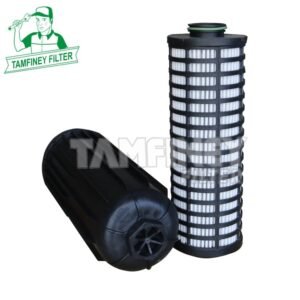
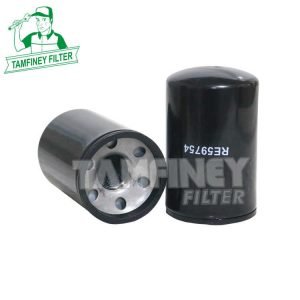
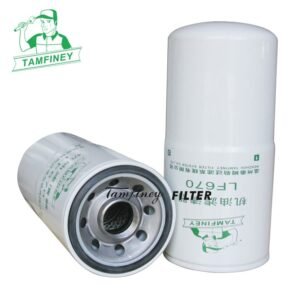
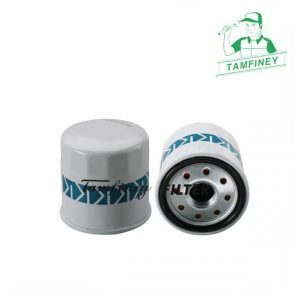
Premium Deutz Engine Oil Filter P550761 LF3914 11708551 1533844
Your Best Deutz Engine Oil Filter P550761 LF3914 11708551 1533844 Oil filter manufacturer in China.
EVOBUS 8.312.088.007.0 BOSCH F 026 407 026 FLEETGUARD LF3914 , LF16144 RENAULT 5021107448 SCHAEFF 5.411.657.158 FRAM CH9389ECO CH9260 MAHLE OX174D , OX174DECO DONALDSON P550761 P550761SP ATLAS COPCO 2914825700 MERCEDESBENZ 4571800210 ATLAS 6069019 SANDVIK 69042849 NEW HOLLAND 73326613 11708551 1533844


| Oil Filter P550761 LF3914 11708551 1533844 Parameter: | |
| Part Number | P550761 LF3914 11708551 1533844 |
| Brand | Tamfiney |
| Height | 210mm |
| Outer Diameter | 85mm |
| Inner Diameter/Thread Size | 51mm |
| Minimum Order | 500 pcs |
| Place of Region: | Zhejiang, China |
| Payment Terms: | T/T |
| Price Terms: | FOB |
| Lead Time: | 30 to 50 days based on order quantities |
| Market Type: | After Market |
| Current Export Market: | North America, South America, Western Europe, Eastern Europe, Africa, Oceania |
Which vehicles or engines is the P550761 compatible with?
Deutz 6160 AGROTRON6160 AGROTRON TTV6180 AGROTRON620 AGROTRON M620 AGROTRON TTV625 AGROTRON M630 AGROTRON TTV640 AGROTRON M650 AGROTRON MTCD 2012 L 06 4V
PPM ATT 400/2ATT 400/3
ROPA DETERREUR A TREMISEURO-BUNKERMAUS 3EURO-BUNKERMAUS 4EUROMAUS 3EUROMAUS 3EUROMAUS 4EUROMAUS 5
SAME 150 FORTIS150 FORTIS Infinity150 IRON160 FORTIS160 FORTIS Infinity160 IRON HILINE DCR180 FORTIS180 FORTIS InfinityIRON 130 Hi-lineIRON 150 Hi-Line
SANDVIK LH 307LH 307-15LH 307 TOPOLH 410
SANY LTU 120 F
SCHAFFER 9300 Z930 T9310 T9330 Z
SEMAT MERCEDES ECONIC 2629 BLUE TEC
SILVATEC 814 TF8266 TH SLEINPER8280 TH SLEINPER966 TH
TADANO ATF 160G-5ATF 360G-6ATF 40G-2ATF 45-3ATF 50-3ATF 50G-3
TAMROCK AXERA 8S-290
TERBERG RT 222RT 222
VOLVO EC 160 B LCEC 180 B LCEC 210 BEC 210 B-LCEC 210 B-NLC
Premium Deutz Engine Oil Filter P550761 LF3914 11708551 1533844
Q: How often should the P550761 oil filter be changed?
The replacement cycle of the oil filter should be comprehensively judged based on the type of oil, mileage, usage environment, and vehicle manufacturer's recommendations. Generally, the range is between every 5000 to 15000 kilometers or every 6 to 12 months.
Q: Can an oil filter affect oil pressure?
Yes, the oil filter can affect the oil pressure.
Its main job is to filter out impurities. The filter's condition affects oil flow smoothness. Over time, impurities build up in the filter element. This buildup blocks the filter, increasing oil flow resistance. Reduced oil flow leads to lower oil pressure.
If the bypass valve on the filter base fails to open when blocked, oil pump pressure becomes abnormal. Internal leakage increases, further dropping oil pressure.
Besides blockage, other factors influence pressure through the oil filter. Using low-quality or mismatched filters causes internal defects or poor flow. Improper installation, like poor sealing or wrong model, leads to oil leaks or pressure issues.
Oil filter problems trigger engine failures. Common signs include the oil pressure warning light turning on. Engine sounds become abnormal, like increased friction noise. Power decreases, fuel consumption rises, and oil temperature climbs. Long-term neglect worsens engine wear and shortens its lifespan.
Regular maintenance of the oil filter is vital. Replace it on time as the vehicle manual recommends. This prevents abnormal pressure and ensures stable engine lubrication system operation.
Q: What happens if I don't change the oil filter?
Not replacing the oil filter will result in a decrease in its filtering ability, making it unable to effectively remove impurities from the oil, leading to a series of chain problems.
Decreased oil cleanliness and lubrication failure: After long-term use, the oil filter will accumulate a large amount of impurities, causing the pores of the filter paper to become clogged, allowing unfiltered dirty oil to circulate in the engine. This will reduce the lubrication effect of the engine oil, increase the friction and wear of internal engine parts, and may even cause difficulty or abnormal noise in starting the engine due to insufficient lubrication.
Deterioration of engine performance and decrease in efficiency: Due to the wear of precision components such as crankshafts and camshafts accelerated by impurity particles, engine power may weaken and fuel consumption may increase; At the same time, blockage of the oil circuit or failure of the bypass valve can cause a decrease in oil pressure, affecting the operation of hydraulic components such as tappets, resulting in a decrease in power output and abnormal noise.
Rising maintenance costs and increased risk of malfunctions: Long term neglect of replacement can exacerbate engine wear, potentially leading to oil passage blockages, oil leaks, or mechanical failures. In severe cases, major repairs or engine replacements may be necessary, resulting in significantly increased maintenance costs.
Shortened engine life: Impurities circulating in the engine oil can accelerate abrasive damage to key components such as pistons and cylinder walls, leading to irreversible wear and shortening the engine's service life.
To avoid these issues, it is recommended to replace the oil filter synchronously with each oil change and follow the maintenance cycle recommended by the vehicle manufacturer.