Get a Free Quote
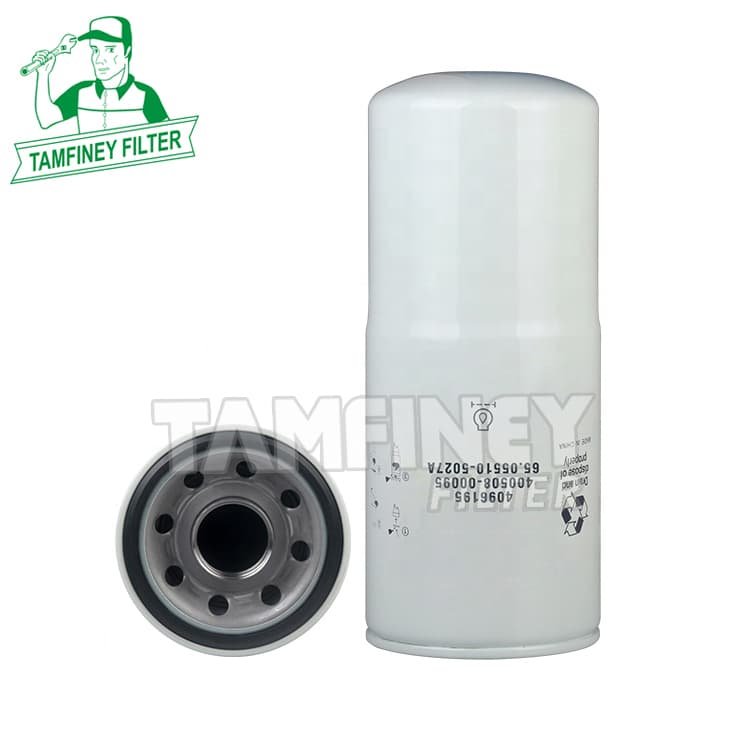
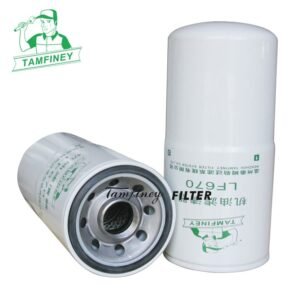
CUMMINS Fleetguard Lube Oil Filter LF9325 YA00003793 65.05510-5027A 400508-00095
Your best CUMMINS Fleetguard Lube Oil Filter LF9325 YA00003793 65.05510-5027A 400508-00095 Oil filter manufacturer in China.
DOOSAN 65.05510-5027A 400508-00095 400508-00053 65055105027 471-00086 SANDVIK CP000479 FLEETGUARD LF9325 CUMMINS 4096196 HITACHI YA00003793


|
Oil Filter LF9325 YA00003793 65.05510-5027A 400508-00095 Parameter: |
|
| Part Number | LF9325 YA00003793 65.05510-5027A 400508-00095 |
| Brand | Tamfiney |
| Height | 285 mm |
| Outer Diameter | 118 mm |
| Inner Diameter/Thread Size | 1 1/2"-12 |
| Minimum Order | 100 pcs |
| Place of Region: | Zhejiang, China |
| Payment Terms: | T/T |
| Price Terms: | FOB |
| Lead Time: | 30 to 50 days based on order quantities |
| Market Type: | After Market |
| Current Export Market: | North America, South America, Western Europe, Eastern Europe, Africa, Oceania |
Application:
ATLAS COPCO QEC 800
DAEWOO TRUCKS KL4T4
DOOSAN DAEWOO DE 12 T DE 12 TIS MEGA 300 V MEGA 400 V,MEGA 400 V SUPER,SOLAR 340 LC-V,SOLAR 370 V LC,SOLAR 420 V LC,SOLAR 470 V LC,SOLAR 500 V LC
HITACHI EX 1200-5,EX 1200-6,HYUNDAI,R 1200-9
KOMATSU 730 E,730 E,730 E,730 E-4,730 E – 7,730 E – 7,730 E-DC,PC 3000,PC 3000,PC 4000, PC 4000
Premium CUMMINS Fleetguard Lube Oil Filter LF9325 YA00003793 65.05510-5027A 400508-00095
Q: What are the signs of a bad oil filter?
A bad oil filter can cause a series of symptoms that affect the normal operation of the engine, which can be mainly summarized as follows:
• Abnormal oil pressure and warning light on: This is the most direct signal. When the filter is clogged, the oil flow is obstructed, causing a decrease in oil pressure, and the vehicle's oil pressure warning light will light up. In some cases, blockages in the oil passage or high pump pressure may also trigger this alarm.
• Poor engine lubrication and abnormal noise: Failed filters cannot effectively filter impurities, resulting in a decrease in oil quality. Internal components of the engine (such as bearings and valve mechanisms) experience increased friction due to insufficient lubrication, which may produce abnormal knocking, friction, or increased noise.
• Decreased engine performance: Poor lubrication can directly affect the efficiency of engine operation, manifested as insufficient power output, weak acceleration, and feeling "dull" while driving. Some sources also mention that if there is a blockage in the gasoline filter at the same time, it can lead to insufficient fuel supply, exacerbating driving jolts or gear shifting friction.
• Abnormal oil consumption and leakage:
Aging of the filter seal ring, improper installation, or damage to the housing can all cause oil leakage from the filter interface, and oil stains can be found at the bottom of the engine. At the same time, if the filter fails and impurities enter the combustion chamber, it may also cause the phenomenon of "burning oil", which significantly accelerates the consumption rate of oil.
• Deterioration of engine oil quality: Normal engine oil should be clear, light yellow or brown in color. If the oil color is abnormally dark, the texture is turbid, or contains metal shavings, it indicates that the filter is unable to effectively filter impurities and the oil is severely contaminated.
• Difficulty in starting and risk of stalling: When the engine is not replaced for a long time or the filter element is severely clogged, the oil flow rate and flow rate may significantly decrease, which may cause difficulty in cold starting the engine. In extreme cases, the filter material may deform or even collapse, causing an interruption in oil supply and leading to accidental engine shutdown.
• Risk of counterfeit and inferior products: Using substandard or counterfeit filters can cause the filter paper to fail at high temperatures and produce paper scraps, exacerbating blockages; And there may be no bypass valve or poor sealing, which can also cause all the above problems and even more serious engine damage.
In summary, damage to the oil filter is a major health hazard for the engine. Once the above-mentioned signs are detected, they should be checked and replaced immediately without delay to avoid irreversible engine damage. It is recommended to strictly follow the cycle specified in the vehicle maintenance manual to replace the oil filter.
Q: Why should I lubricate the filter seal before installation?
Before installing the oil filter, apply a small amount of oil to the seal. This step serves key purposes during installation.
Reducing friction and preventing seal damage: The seal ring is mostly rubber. It must rotate and tighten during installation. Without lubrication, dry friction occurs between the seal and mounting seat. Dry friction can tear or deform the seal ring. Such damage harms its sealing ability.
Ensuring a tight seal and preventing leaks:
After applying oil, the seal adheres smoothly to the surface. Even coverage forms a reliable seal. If the seal gets damaged, gaps may appear. These gaps can lead to oil leakage. Proper lubrication avoids this problem.
Making future disassembly easier: Adequate oil prevents the seal from sticking to metal. This simplifies the next filter removal. Forced disassembly risks damaging the filter or seat. Lubrication reduces these risks significantly.
Important reminder: Use only a thin oil layer. Too much oil may squeeze out during installation. Excess oil can weaken the seal effect. Leakage risks increase if oil overflows. Keep the amount moderate for best results.
Q: Can I reuse an oil filter o-ring?
The O-ring of the oil filter is not recommended for reuse.
Although O-rings are seals rather than filter elements, for safety and reliability reasons, a new O-ring should be replaced every time the oil filter is changed.
The main reasons are as follows:
• Decreased sealing performance: O-rings will be during initial installation to form a tight seal. After disassembly, its elasticity will weaken, making it difficult to ensure a complete fit with the filter seat or engine interface when reinstalled, which can easily lead to oil leakage.
• High potential risk: Oil leakage not only causes a decrease in oil level, affecting engine lubrication, but may also lead to overheating, abnormal noise, and even serious mechanical failures. Replacing an O-ring that costs a few dollars is far more cost-effective than repairing engine damage caused by leaks.
• Industry standard practice: All authoritative car maintenance guides and repair manuals recommend that a new O-ring must change when changing the oil filter. This is the standard operating procedure to ensure long-term stable operation of the engine.
Therefore, to ensure engine safety, it is essential to use brand new O-rings every time the oil and filter are changed.