Get a Free Quote
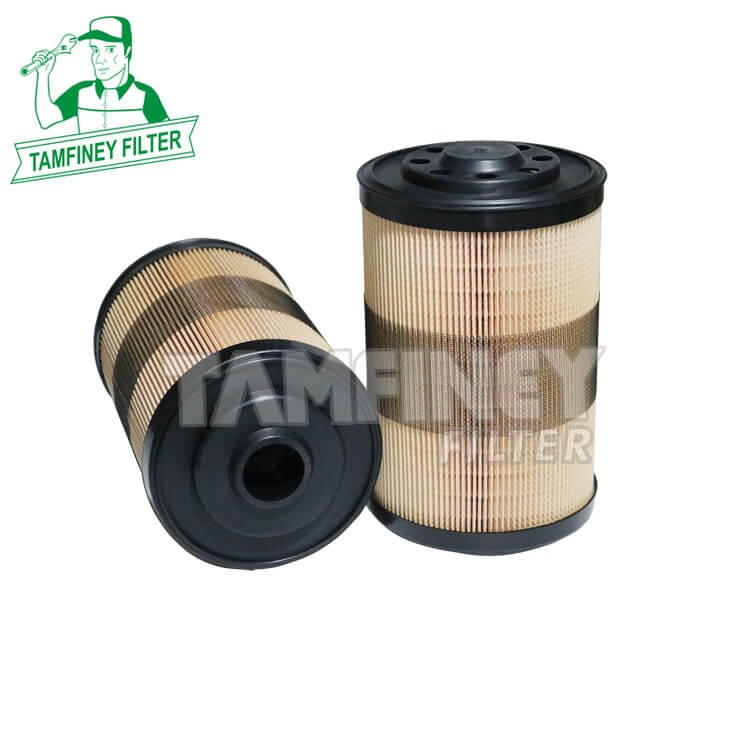
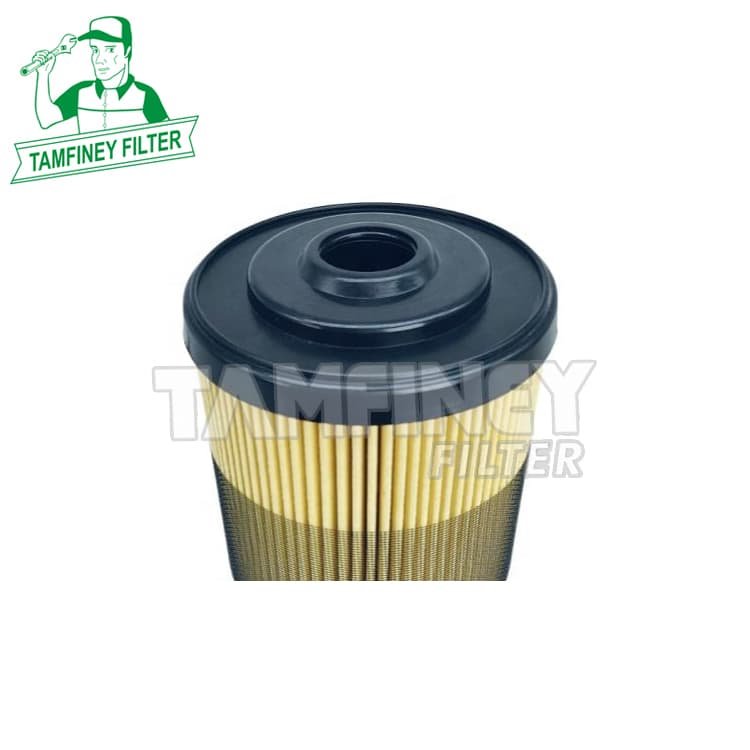
Professional Coalescer Separator filter FBO 60327 FBO60327 6797178 for FBO-10 1 micron
Your Best Coalescer Separator filter FBO 60327 FBO60327 6797178 for FBO-10 1 micron fuel filter manufacturer in China.
Parker FBO 60327 FBO60327 6797178 for FBO-10



| Fuel Filter FBO 60327 FBO60327 6797178 Parameter: | |
| Part Number | FBO-60327 FBO60327 6797178 |
| Brand | Tamfiney |
| Weight | 1247 g |
| Height | 235/253 mm |
| Outer Diameter | 152 mm |
| Inner Diameter/ Thread Size |
39 mm |
| Minimum Order | 100 PCS |
| Place of Region: | Zhejiang, China |
| Payment Terms: | T/T |
| Price Terms: | FOB |
| Lead Time: | 30 to 50 days based on order quantities |
| Market Type: | After Market |
| Current Export Market: | Southeast Asian,North America, South America, Western Europe, Eastern Europe, Africa, Oceania |
Application:
Parker FBO-10 Sery
Professional Coalescer Separator filter FBO 60327 FBO60327 6797178 for FBO-10 1 micron
Q: What is the difference between a filter separator and a coalescer?
Filter Separators vs. Coalescers: A Concise Comparison
Filter separators and coalescers both purify fluids, but they work differently.
Working Principle & Core Function
Filter separators use physical barriers to trap particles or droplets, ideal for removing solids or large droplets. Coalescers rely on coalescence, merging tiny droplets (like µm water droplets) into larger ones for separation, perfect for emulsions or fine dispersions.
Structural Design & Components
Filter separators often have a multi-stage design, with an initial coalescing filter and a final separation filter. Coalescers focus on optimizing the coalescing and separation layers, sometimes using an inward-outward flow to boost efficiency. They also need a pre-filter to protect the coalescing element.
Applications & Use Cases
Filter separators excel in aviation fuel, lubricant, and gas-liquid separation. Coalescers are better for demulsifying oil-water mixtures, gas dehydration, or removing trace contaminants (like ppm-level moisture), common in petrochemical and wastewater treatment.
Performance & Operating Traits
Filter separators have higher pressure drops and need regular filter changes (e.g., at 0.1 MPa or after six months). Coalescers work well without heat but are costly and sensitive to solids, requiring strict inlet particle control.
Selection & Integration
Choose based on particle size: use separators for particles >10 µm, coalescers for <1 µm. Coalescers often pair with separators but can also work with gravity chambers for standalone coalescing.
Q: What does a coalescer filter do?
Coalescer filter is a device that integrates precision filtration and efficient separation, mainly used to purify various liquid and gas media. Its core function is to remove small particle impurities, moisture or oil, thereby improving the purity and quality of the media.
In the field of oil treatment, coalescing filters can effectively remove mechanical impurities, emulsified water, and free water from fuel (such as aviation kerosene and diesel) or lubricating oil, reducing the water content in the oil from hundreds of ppm to extremely low levels (such as ≤ 100ppm or even 5ppm), ensuring the cleanliness of the oil to protect mechanical equipment and extend its lifespan.
For water treatment applications, this equipment can separate trace oil droplets from water (such as chemical wastewater treatment) or remove water from oil, achieving efficient oil-water separation and meeting environmental discharge standards.
In the process of gas purification, coalescing filters can remove tiny droplets (including oil and water) from gases such as hydrogen and compressed air, ensuring gas dryness. They are suitable for industries such as power and petrochemicals that require high gas purity.
Its working principle is based on coalescence separation technology: through a specially designed coalescence filter element (usually composed of hydrophilic glass fibers or oleophilic polymer materials), small water droplets or oil droplets are coalesced into larger droplets, and then separated by gravity settling or separation filter element demulsification.
Q: What is the difference between a coalescer filter and a cartridge filter?
Working Principle & Function
Coalescer filters merge tiny liquid droplets into larger ones for separation, ideal for fuel dehydration or gas drying. Cartridge filters physically trap solid particles, protecting downstream equipment.
Filter Element & Flow Design
Coalescers use a special composite material, with flow from inside out to prevent clogging. Cartridges use single-layer media, filtering outside in to capture solids.
Applications & Configurations
Coalescers excel in petrochemicals and gas processing, often paired with pre-filters. Cartridges suit water treatment and hydraulics, offering simple, cost-effective primary filtration.
Structure & Maintenance
Coalescers have complex internals, requiring low inlet solids and higher upkeep. Cartridges feature flanged housings for easy cleaning, with lower precision but simpler maintenance.