Get a Free Quote
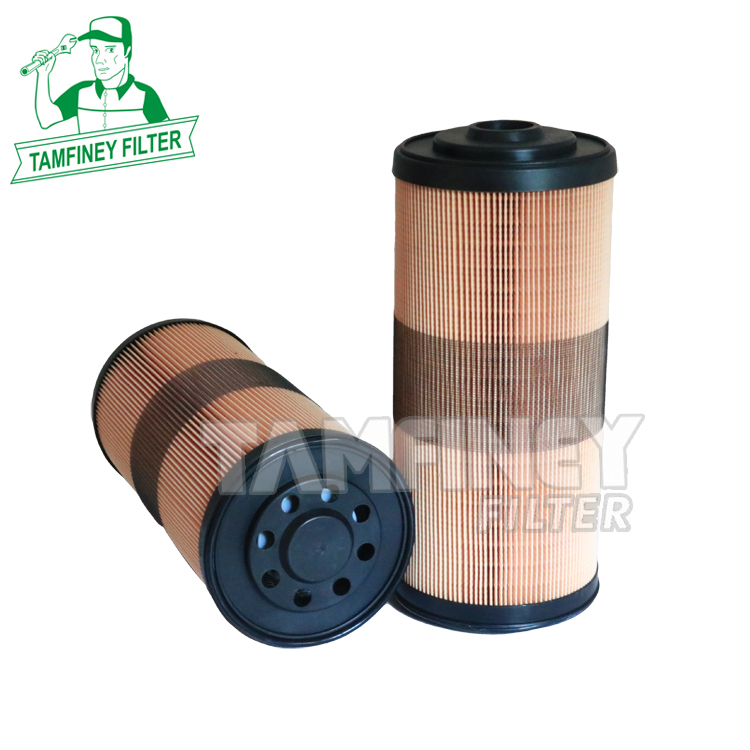
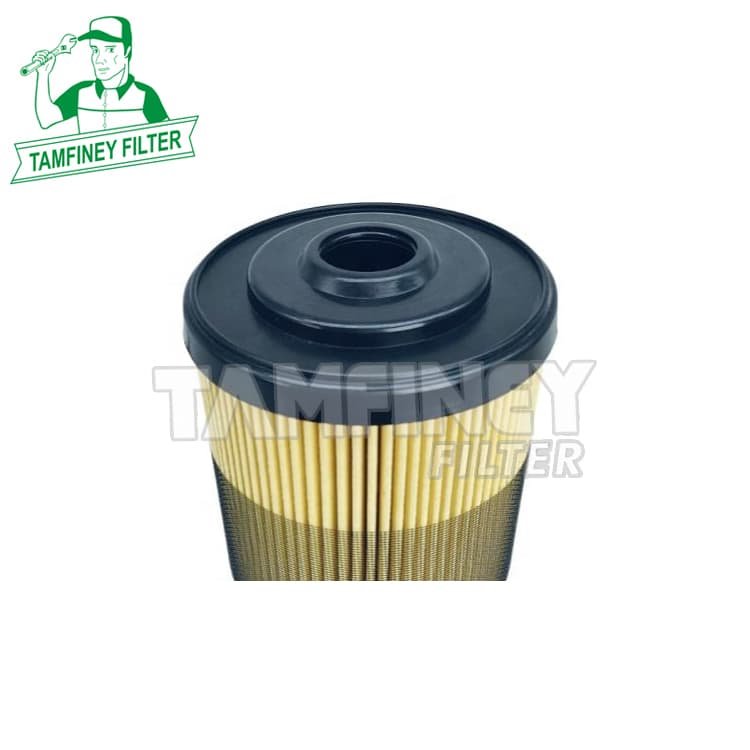
Professional Coalescer Filter Element FBO60356 FBO 60356 XP59408300095 XP59408300034 59408300034 59408300095
Your Best Coalescer Filter Element FBO60356 FBO 60356 XP59408300095 XP59408300034 59408300034 59408300095 Fuel filter manufacturer in China.
RACOR FBO60356 FBO 60356 P581575 XP59408300095 XP59408300034 59408300034 59408300095



| Fuel Filter FBO60356 FBO 60356 XP59408300095 XP59408300034 59408300034 59408300095 Parameter: | |
| Part Number | FBO60356 FBO 60356 XP59408300095 XP59408300034 59408300034 59408300095 |
| Brand | Tamfiney |
| Weight | 1807g |
| Height | 335/353 mm |
| Outer Diameter | 152 mm |
| Inner Diameter/ Thread Size |
39mm |
| Minimum Order | 100 PCS |
| Place of Region: | Zhejiang, China |
| Payment Terms: | T/T |
| Price Terms: | FOB |
| Lead Time: | 30 to 50 days based on order quantities |
| Market Type: | After Market |
| Current Export Market: | Southeast Asian,North America, South America, Western Europe, Eastern Europe, Africa, Oceania |
Applications:
Parker FBO-14 sery.
Professional Coalescer Filter Element FBO60356 FBO 60356 XP59408300095 XP59408300034 59408300034 59408300095
Q: What is the FBO 60356 used for?
For Racor FBO Series fuel filtration systems
Q: What is a coalescing filter used for?
Coalescing filter is a device that uses principles such as gravity settling to separate tiny mist particles in airflow. It is mainly used to efficiently remove impurities such as moisture, oil mist, and solid particles from air or gas.
Its core applications include: in compressed air systems, coalescing filters can finely filter particles, reducing particle concentration to below 0.1 microns and liquid concentration to below 0.01 ppm, thereby protecting backend equipment (such as pneumatic components and control valves) from pollution, extending service life, and ensuring process stability; At the same time, through the synergistic effect of multi-layer filter materials (such as glass fiber, stainless steel mesh), gas-liquid or dust particle separation can be achieved, improving air quality. It is suitable for scenarios with high cleanliness requirements, such as pharmaceuticals, food processing, synthetic ammonia industry, etc.
In addition, the filter can also be used in special industrial processes, such as intercepting particles carried by the gas phase in chemical synthesis, preventing blockages in heat exchange equipment, and adapting to high-pressure or ultra efficient oil removal needs through design optimization.
Q: What is the difference between a coalescing filter and a regular filter?
There are significant differences between coalescing filters and regular filters in terms of working principle, filtration efficiency, and applicable scenarios.
Working principle: Regular filters are mainly based on the sieving principle, which physically intercepts particles larger than the filter gap to achieve filtration, and has a better separation effect on particles larger than 5 μ m in size; The coalescing filter adopts an irregular fiber mesh structure, which can capture liquid and suspended particles smaller than the airflow channel, including oil mist particles with a particle size less than 0.1 μ m, through the synergistic effect of multiple mechanisms such as inertial impact, interception retention, and diffusion settlement.
Filtering efficiency and accuracy: Regular filters have good effects on particles larger than 5 μm, but it is difficult to effectively separate oil droplets with a particle size smaller than 2 μm, and the filtering accuracy is limited; Coalescing filters can reduce particle concentration to below 0.1 microns and liquid concentration to within 0.01 ppm, resulting in significantly higher removal efficiency for ultrafine oil mist and aerosols.
Structural design: Regular filters usually use a guide plate spiral to guide the airflow for initial separation, and the structure is relatively simple; Coalescing filters include precision filter cartridges, wire mesh demisters, and other components. The filter cartridge material is tight, and the airflow velocity needs to be controlled to avoid efficiency decline.
Application scenario: Regular filters are suitable for general dust removal needs, such as front-end protection of pneumatic components; Coalescing filters are used in applications that require high cleanliness of compressed air, such as pharmaceuticals, food processing, precision instruments, and other scenarios that require efficient removal of oil mist and particles.