
Get a Free Quote
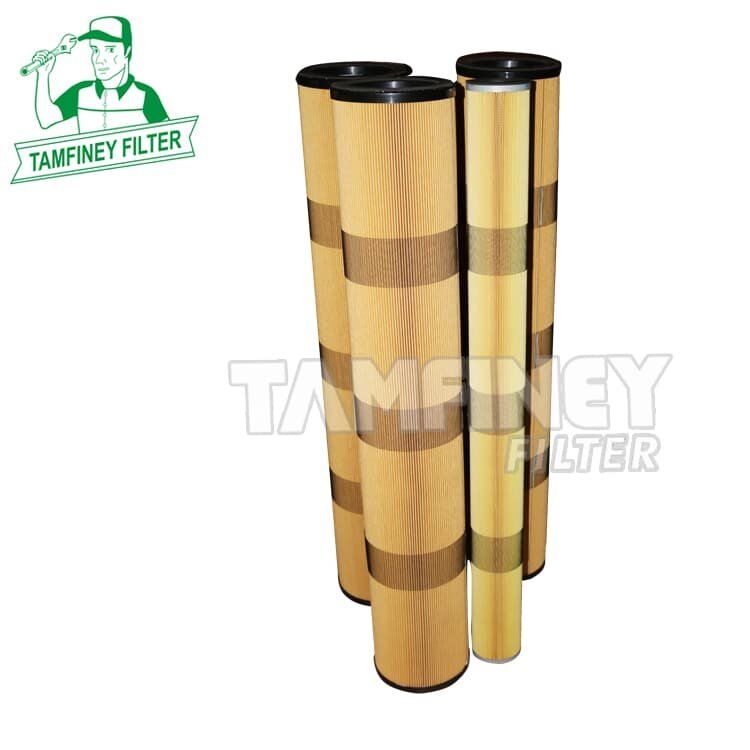
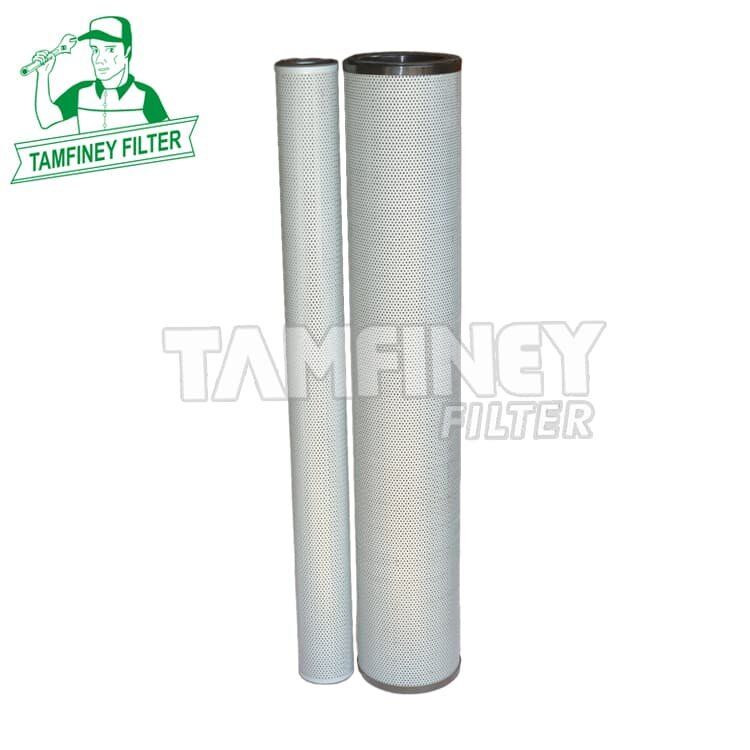
Performance Coalescer Filter Cartridge HOCP-44810 HSP-44410 HOCP44810 HSP44410
Your best Coalescer Filter Cartridge HOCP-44810 HSP-44410 HOCP44810 HSP44410 fuel filter manufacturer in China.
Parker HOCP 44810-10
HOCP44810-10 HOCP44810 HSP44410

| Coalescer Filter HOCP-44810 HSP-44410 Parameter: | |
| Part Number | HOCP-44810 HSP-44410 HOCP44810 HSP44410 |
| Brand | Tamfiney |
| Weight | 8250 g |
| Height | 1128 mm |
| Outer Diameter | 195 mm |
| Inner Diameter/ Thread Size | 142 mm |
| Minimum Order | 20 PCS |
| Place of Region: | Zhejiang, China |
| Payment Terms: | T/T |
| Price Terms: | FOB |
| Lead Time: | 30 to 50 days based on order quantities |
| Market Type: | After Market |
| Current Export Market: | North America, South America, Western Europe, Eastern Europe, Africa, Oceania |
Applicate Engine:
• Marine Parker RVFS-3
Performance Coalescer Filter Cartridge HOCP-44810 HSP-44410 HOCP44810 HSP44410
Q: What is the HOCP-44810 used for?
HOCP-44810 is a Racor coalescing filter element used in diesel fuel systems, particularly the Parker Racor RVFS filter container, to remove water and pollutants from fuel. It is part of a two-stage filtration system (coalescer+separator) used to capture solid particles and coalesced water, and then separate the water into a sump for discharge, providing clean and dry fuel for engines and equipment.
Q: Does the HSP-44410 work alone?
HSP-44410 is a type of industrial filter, typically referring to a coalescing separation filter element or filter element, used in hydraulic systems, lubricant purification, or fluid treatment scenarios.
HSP-44410 itself is the core component of the filtration system, but it cannot independently complete the filtration task because it needs to cooperate with the filter HOCP-44810 housing, seals, pipelines, and power sources (such as pumps or pressure differentials) to form a complete working circuit; In the system, it intercepts impurities through filter paper or porous materials to achieve oil-water separation or particle filtration, and its performance depends on the system design, such as being used as a replacement component in steam turbines or hydraulic stations.
Q: How do I know when to change a coalescer filter cartridge?
To decide when to replace the aggregation filter element, you should check several factors. This ensures both filtration efficiency and system safety. Here are the key signals to watch for:
Differential Pressure Monitoring: If the coalescing filter element gets clogged, the pressure difference between inlet and outlet will rise. When it hits 0.1 MPa (about 1.45 psi) or the gauge’s needle enters the red zone, replace the element promptly.
Usage Time: The filter’s life depends on how often you use it and water quality. Typically, plan to replace it every six months to a year. Even if pressure differences seem normal, long-term use can reduce filtration effectiveness.
Filter Element Inspection: Regularly check for physical damage, deformation, or color changes (like darkening). If you spot any, replace it right away, as this can cause sudden pressure drops or filtration failure.
Decreased Filtration Efficiency: Look for unusual impurities, moisture, or lower efficiency (such as cloudy effluent). These signs mean the filter’s agglomeration function is failing, and it’s time for a replacement.
Equipment Alerts: Some systems have filter life indicators. If a light comes on or a message appears, assess the situation and decide if replacement is needed.
Practical Tips: Always check the manual for pressure difference and lifespan standards first. Adjust replacement schedules based on water quality—like how many impurities are present—to keep things running smoothly.

