
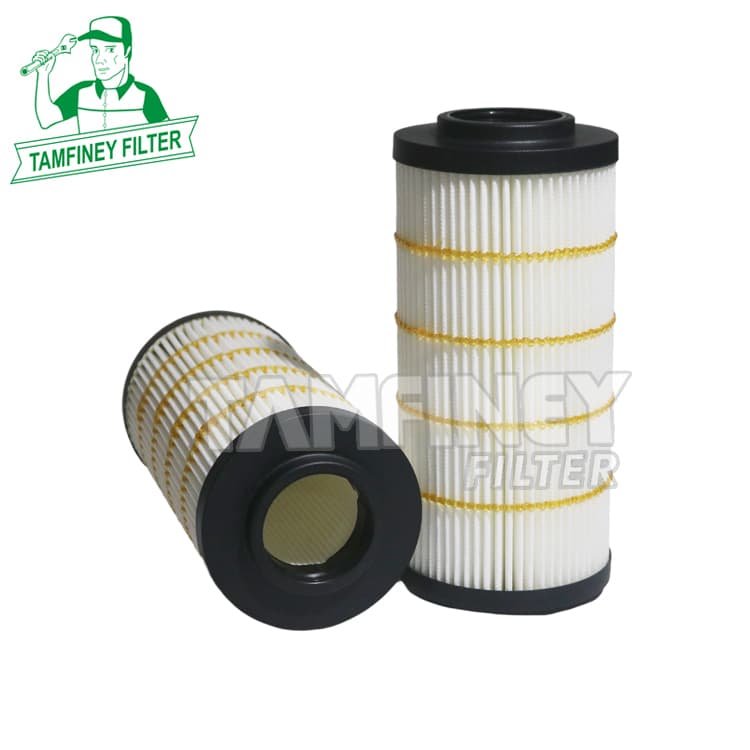



| Hydraulic Filter 571-5253 5715253 P580903 Parameter: | |
| Part Number | 571-5253 5715253 P580903 |
| Brand | Tamfiney |
| Weight | 606 g |
| Height | 254 mm |
| Outer Diameter | 117 mm |
| Inner Diameter/ Thread Size | 40 mm |
| Minimum Order | 100 PCS |
| Place of Region: | Zhejiang, China |
| Payment Terms: | T/T |
| Price Terms: | FOB |
| Lead Time: | 30 to 50 days based on order quantities |
| Market Type: | After Market |
| Current Export Market: | Southeast Asian,North America, South America, Western Europe, Eastern Europe, Africa, Oceania |
Applications:
CATERPILLAR G LRC773 G OEM775 G775 G LRC775 G OEM777 E777 G789 D814814 K815 K816816 K824824 K825 K826826 K834 H836836 H836 K966 K966 K XE966 M966 M966 M966 M966 XE972972972 K972 M980980 K980 M980 M980 XE982982 M982 XE986 H986 K988 GC988 H988 H994 KD 5D 5 R-LGPD 5 R-LGPD 5 R XLD 6D 6 N 4FD 6 N CGPD 6 N LGPD 6 N OEMD 6 N XLD 6 N XLD 6 R LGPD 6 TD 6 T LGPD 6 XED 6 XE LGPD 8D 8 GCD 8 TD 9D 9 TDP 120 N2PL 72PL 83PL 87
SEM MACHINERY 816 D816 D-CH816 D-DS816 D-LPG
SEM MACHINERY 816 D816 D-CH816 D-DS816 D-LPG
Professional Caterpillar 571-5253 Transmission Filter 5715253 P580903
Q: Is a hydraulic filter the same as a hydraulic transmission filter?
Hydraulic filters are different from hydraulic transmission filters: the former is a universal hydraulic system oil filtration component, while the latter is dedicated to the internal hydraulic/lubrication circuit of the transmission. There are essential differences between the two in terms of application scenarios, design pressure, filtration accuracy, and installation standards.
Core difference
- Different application systems: Hydraulic filters serve the main hydraulic transmission systems (drive cylinders, motors, etc.) of construction machinery and industrial equipment; The transmission filter is only used inside the transmission assembly to filter the transmission oil to protect the valve body, clutch, and gear set.
- Different working condition parameters: Hydraulic filters need to cover various working conditions such as oil suction, high pressure, and oil return, with a large pressure span (some up to 42MPa) and a wide accuracy range (2-50 μ m); Transmission filters are usually designed for specific transmission oil characteristics, with a relatively fixed range of operating temperature and pressure fluctuations, and an accuracy mostly in the 5-20 μ m range.
- Different compatibility and standards: The two have different requirements for oil compatibility, shear resistance, and bypass valve settings, and cannot be interchanged arbitrarily. Mixing may result in filtration failure, system blockage, or component damage.
- Some manufacturers collectively refer to the two as "hydraulic and transmission filters" based on product line classification (such as Caterpillar and other complete machine manufacturers' accessory catalogs), rather than product universality. The actual selection must strictly refer to the part number, installation size, and filtration level specified in the equipment manual, and cannot be judged based solely on the name for universality.
Selection Recommendations
- Confirm equipment type: independent hydraulic system or transmission integrated hydraulic circuit.
- Check the installation position: suction port, pressure pipeline or return line (hydraulic system) vs oil pan or external circulation port (gearbox).
- Matching oil model: The additive system for hydraulic oil and transmission oil is different, and the filter material must be compatible.
Q: What does a dirty hydraulic filter look like?
Dirty hydraulic filter shows dark sludge or metal chips on its surface. Its pleats get blocked and turn black, color shifts from light yellow to dark brown. Severe cases have deformed filter paper, broken parts or popped bypass valves.
- New filters are light yellow, off-white or silver gray in color. Dirty ones turn dark gray, dark brown or even dark green. Local rust red marks come from worn metal parts on the filter.
- Viscous sludge, black gum and fine metal powder stick to the pleats. Fibrous rubber scraps also appear on the filter material surface. The surface feels greasy and rough when you touch it with hands.
- Heavy blockage makes filter paper bulge, collapse or tear apart. Some end covers leak oil, sealing rings turn old and deform. Popped bypass valves leave clear visible marks on the parts.
- Hold the filter against a light source to do the transmission test. Clean filters show even and smooth light transmission all over. Dirty filters barely let light through, with dark mottled shadows. Impurities fully block all the tiny pores on the filter material.


