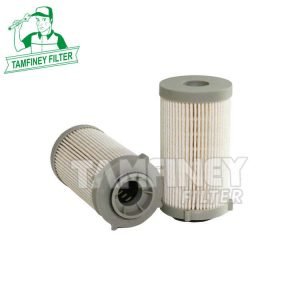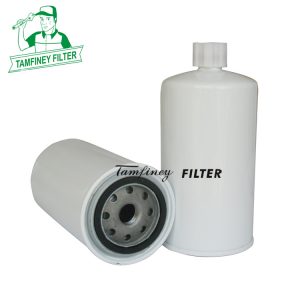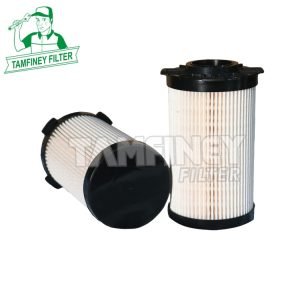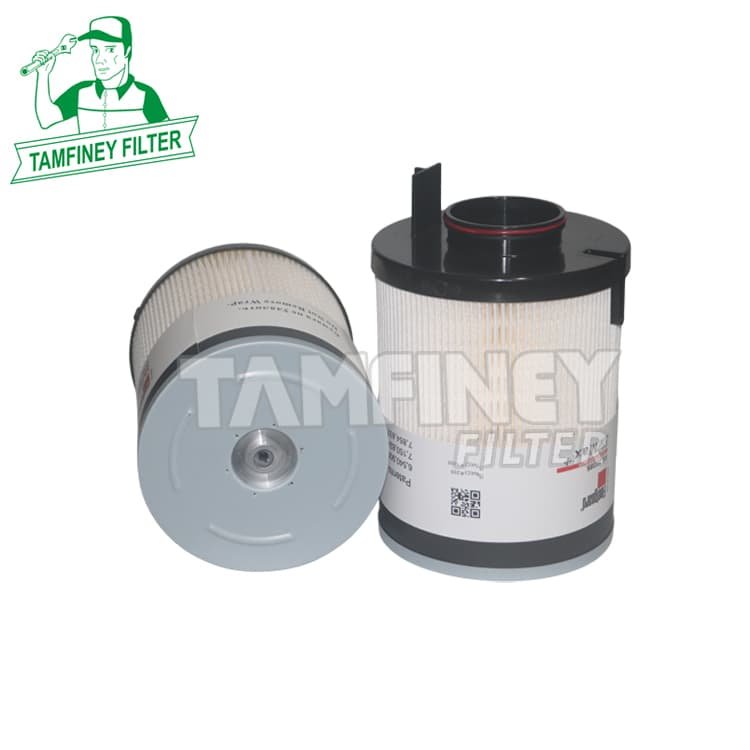



| Fuel Filter A0000905051 P580710 A0001485007 Parameter: | |
| Part Number | A0000905051 P580710 A0001485007 |
| Brand | Tamfiney |
| Weight | 900 g |
| Height | 188/226 mm |
| Outer Diameter | 142/150 mm |
| Inner Diameter/ Thread Size | 24.5mm |
| Minimum Order | 100 PCS |
| Place of Region: | Zhejiang, China |
| Payment Terms: | T/T |
| Price Terms: | FOB |
| Lead Time: | 30 to 50 days based on order quantities |
| Market Type: | After Market |
| Current Export Market: | Southeast Asian,North America, South America, Western Europe, Eastern Europe, Africa, Oceania |
Applications:
DETROIT DD 13DD 15DD 16
Professional A0000905051 Detroit Series 60 Fuel Filter Number P580710 A0001485007
Q: What is the difference between primary and secondary filters?
The main difference between primary filters (primary/coarse) and secondary filters (medium/secondary) lies in the filtering level, particle size interception, and core function: the former is the first line of defense, specializing in large particle impurities to protect the backend; The latter is an intermediate deepening treatment, targeting fine particles to enhance cleanliness.
Filtering accuracy: The primary filter mainly intercepts large particles ≥ 5 μ m (such as dust, hair, fibers); The secondary system mainly intercepts medium particles of 1-5 μ m, such as pollen, some bacteria, and smoke.
Core function: The primary focus is on pre filtration and protection, preventing large particles from clogging the precision filter material at the back end and extending the system's lifespan; The secondary focus is on deep purification to further reduce particle concentration, preparing for efficient filtration or directly meeting general cleaning needs.
System location: The primary is located at the forefront of the airflow (fresh air inlet or mixing section); The secondary is located after the primary and before the high efficiency (after the fan section or the main air supply duct).
Material: Primary use of non-woven fabric, nylon mesh, etc., (usually takes 1-3 months); Secondary use of glass fiber and synthetic fiber has slightly higher resistance and longer replacement cycles (usually 3-6 months).
Application scenarios: Primary and widely used for basic protection such as air conditioning fresh air, air compressor intake, etc; Secondary is commonly found in central air conditioning supply, industrial general purification, and pneumatic system water and air filtration.
Q: Can I use aftermarket filters?
Aftermarket(non original/subsidiary) filters can be used, but it is necessary to ensure that the model is accurately matched and has qualified quality certification. Poor quality products can cause engine wear, fuel supply failures, and even safety hazards.
Model matching is a prerequisite: filters (oil, air, fuel, air conditioning) are not universal, and there are huge differences in interface size, thread specifications, and filtration area among different vehicle models. Forced installation can lead to oil leakage, intake leakage, or fuel supply interruption.
The bottom line of quality cannot be broken: After sales parts must have IATF16949 certification or well-known brand endorsement; Poor quality filter cartridges have defects such as easily breakable filter paper, seal failure, and lack of bypass valves, which can directly damage the core components of the engine.
Risk return trade-off: The cost-effectiveness of legitimate brand after-sales parts is higher than that of original parts; Although low-priced miscellaneous items (such as air filters costing over ten yuan) can be temporarily installed, the long-term maintenance costs caused by filtration failure are much higher than the saved expenses.