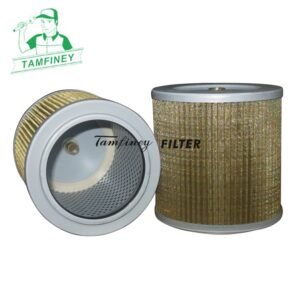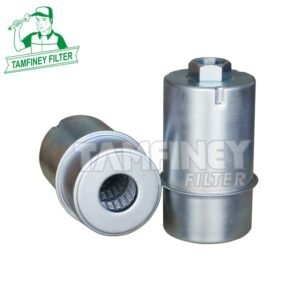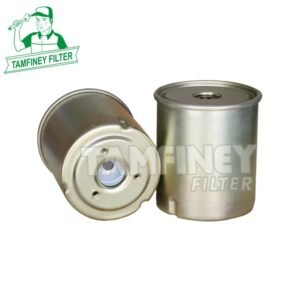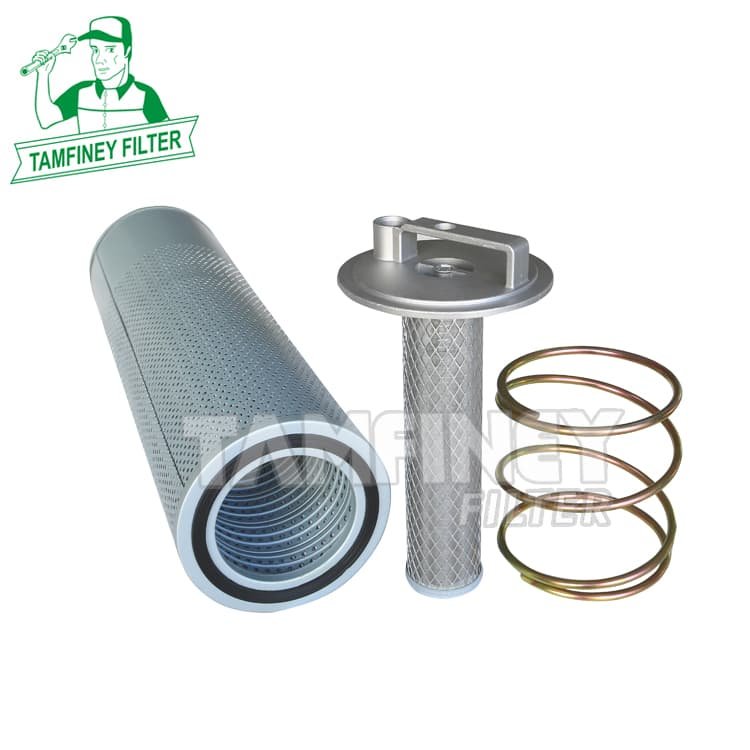
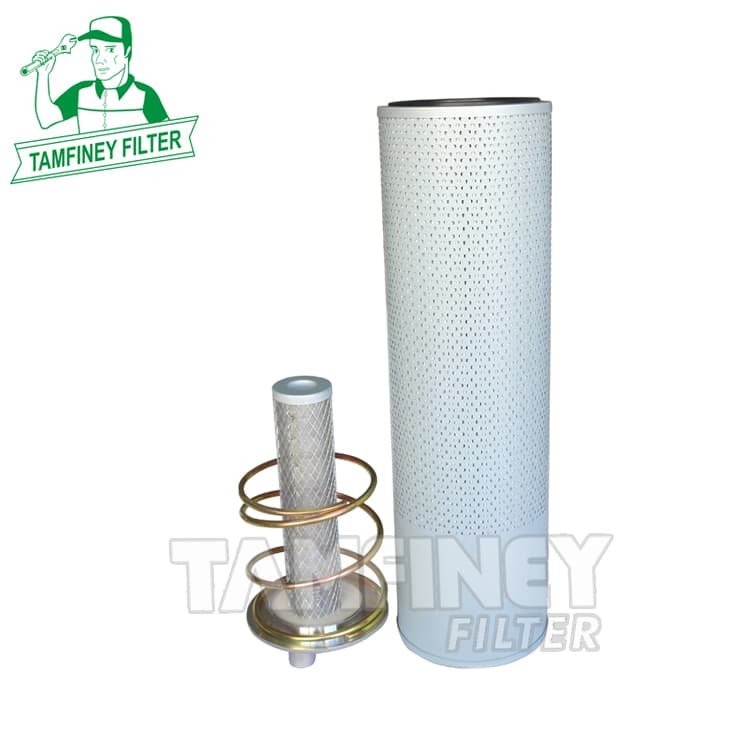



| Hydraulic Filter 60200365 PO-CO-01-01430 H-57070 Parameter: | |
| Part Number | 60200365 PO-CO-01-01430 H-57070 |
| Brand | Tamfiney |
| Weight | 4589g |
| Height | 515 mm |
| Outer Diameter | 150 mm |
| Inner Diameter | 98 mm |
| Material | Metal & Glass fiber |
| Filter Media | Glass fiber with Strainless steel blend |
| Typical Working Pressure | Up to approx. 6–10 bar |
| Filtration | Approx. 5–10 micron |
| Temperature Rating | Up to approx. 100–120°C |
| Minimum Order | 100 PCS |
| Place of Region: | Zhejiang, China |
| Payment Terms: | T/T |
| Price Terms: | FOB |
| Lead Time: | 30 to 50 days based on order quantities |
| Market Type: | After Market |
| Current Export Market: | Southeast Asian,North America, South America, Western Europe, Eastern Europe, Africa, Oceania |
Applications:
SANY SW 955 K 1SY 135SY 135-10SY 135 CSY 135 C-8SY 135 C-9SY 150 SSY 240 CSY 240 C-9HDSY 245SY 285 C-8SY 285 C-9SY 305 C-9HSY 310 C-2SY 310 C-8SY 330SY 330 C-2SY 360SY 365
Professional 60200365 Hydraulic Return Filter PO-CO-01-01430 H-57070
Q: How to install a return filter?
Return filter in hydraulic systems, used to intercept pollutants before the oil flows back to the tank. The following are the general installation steps, please refer to your device model and manual for specific details.
🔧 Installation Steps
- Preparation work: First confirm that the new filter model matches the system, and prepare tools such as wrenches, oil pans, and new sealing rings. Be sure to shut down and release the pressure first, allowing the system pressure to return to zero, to prevent hydraulic oil from spraying out during disassembly.
- Dismantling old parts: Find the old return oil filter, catch the residual oil with a drain pan, and carefully remove the old filter element. Check the removed old filter element. If metal debris is found, it may indicate that the pump or valve is bad and requires further investigation.
Install new components:
- Direction is key: there usually arrows indicating the direction of oil flow on the filter element, and reverse installation is equivalent to installation.
- Sealing in place: Check and replace aging sealing rings to ensure that the installation surface is clean and free of foreign objects, and prevent oil leakage.
- Installation method: Common return oil filters can be directly installed on the fuel tank cover plate (top mounted), or connected through pipelines (side mounted, bottom mounted), depending on the model.
- Testing and Conclusion: Start the system and idle for a few minutes to check for oil leakage and abnormal noise at the filter interface. After confirming the accuracy, add hydraulic oil to the standard level.
⚠️ Important Notice
- Bypass valve and transmitter: Most return oil filters have bypass valves and blockage transmitters.
- When the filter element is clogged and the pressure difference reaches the set value, the transmitter will sound an alarm, and the filter element should be replaced in a timely manner. If the pressure difference continues to rise, the bypass valve will automatically open to protect the system.
- Maintenance cycle: It is recommended to replace the oil return filter regularly according to the equipment manual. Do not damage large equipment to save money.
Q: What is the difference between a pilot filter and a return filter?
The main difference between a pilot filter and a return oil filter lies in their installation location and responsibilities: the pilot filter is specifically designed to protect the pilot control circuit, while the return oil filter is responsible for filtering pollutants from the entire system before the oil flows back to the tank.
🎯 Core distinction
- Installation position: The pilot filter is installed on the pilot control circuit (small flow, control oil circuit); The return oil filter is installed on the main return oil pipeline of the system.
- Filter object: The pilot filter filters out small impurities in the pilot oil circuit to ensure stable control signals; The return oil filter intercepts metal particles, dust, and other debris generated by the wear and tear of the entire system components, preventing dirty oil from returning to the fuel tank.
- Working pressure: The pilot filter needs to withstand the pressure of the pilot oil circuit, which is usually higher than that of the return oil filter; The return oil filter belongs to the low-pressure circuit, and the working pressure generally does not exceed 1.6MPa.
- Flow and accuracy: The pilot filter is a small flow, high-precision filter that ensures sensitive control actions; The return oil filter should be selected based on 2-4 times the peak flow rate of the return oil, with an accuracy generally ranging from 10-40 μ m. When precision components are included, 10 μ m or higher should be selected.
⚠️ Selection reminder
- Do not mix: The two filter elements cannot be interchanged. Installing them in the wrong position can result in mismatched filtration accuracy or pressure resistance, affecting system reliability.
- Selection of return oil filter: Special attention should be paid to the instantaneous flow impact when the upstream hydraulic cylinder and proportional valve change direction. The rated flow rate should be greater than the actual peak return oil flow rate to avoid excessive back pressure.
- Maintenance cycle: Replace the return oil filter after 250 hours of initial operation, and then replace it every 500 hours thereafter; There is no unified standard for the pilot filter element. It is recommended to handle it in conjunction with the pressure difference alarm according to the manufacturer's requirements.