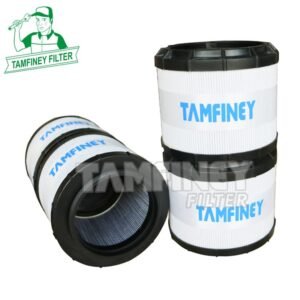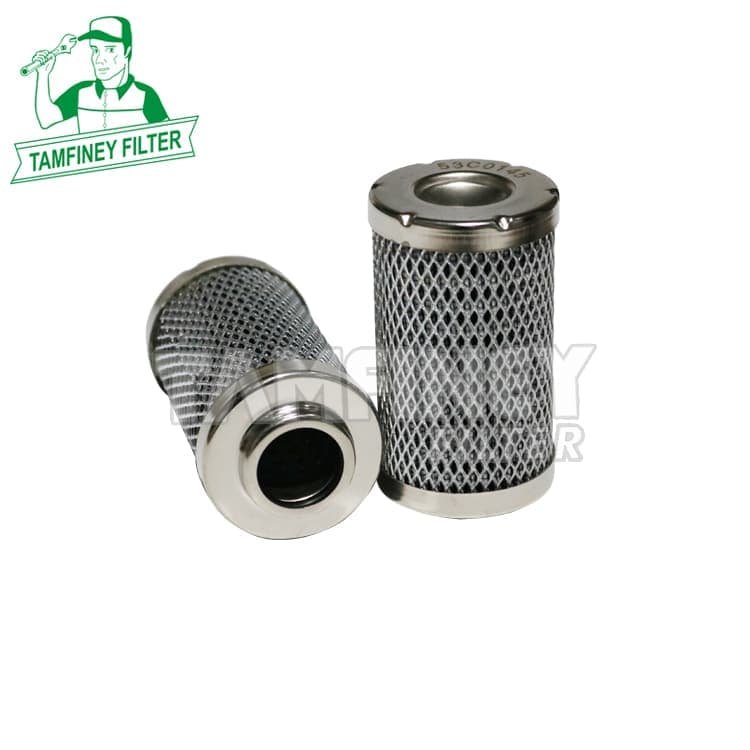


| 53C0145 53C0083 Pilot Filters DHD60G10B 3I1935 P170601 Parameter: | |
| Part Number | 53C0145 53C0083 DHD60G10B 3I1935 P170601 |
| Brand | Tamfiney |
| Weight | 146 g |
| Height | 77/83 mm |
| Outer Diameter | 47 mm |
| Inner Diameter | 21 mm |
| Material | Metal & Glass fiber |
| Filter Media | Glass fiber with Strainless steel blend |
| Typical Working Pressure | Up to approx. 6–10 bar |
| Filtration | Approx. 5–10 micron |
| Temperature Rating | Up to approx. 100–120°C |
| Minimum Order | 100 PCS |
| Place of Region: | Zhejiang, China |
| Payment Terms: | T/T |
| Price Terms: | FOB |
| Lead Time: | 30 to 50 days based on order quantities |
| Market Type: | After Market |
| Current Export Market: | Southeast Asian,North America, South America, Western Europe, Eastern Europe, Africa, Oceania |
Applications:
LIUGONG 913 FCR915 C915 FCR922 F922 ECLG 933 ECLG 933 LCCLG 939 ECLG 945CLG 945 ECLG 948CLG 948 ECLG 950 E
LONKING LG 6150 ELG 6210LG 6210 DLG 6215LG 6215 DLG 6225LG 6225 ELG 6240 ELG 6245 ELG 6360
Professional 53C0145 53C0083 Pilot Filters DHD60G10B 3I1935 P170601
Q: What does a pilot line filter do?
The pilot filter element's core function is to filter impurities in the pilot oil and protect precision valve components. It can ensure the cleanliness of the control signal oil, prevent the valve core from getting stuck or worn.
- Protective components: The pilot system controls low pressure but high accuracy, and the filter element can intercept small particles to avoid damage to precision components.
- Maintain pressure stability: prevent impurities from blocking the oil circuit and causing fluctuations in pilot pressure, ensure sensitive response of the operating handle, and avoid the handle becoming heavy or moving slowly.
- Adsorption of moisture: Some filter element materials can separate moisture from the oil, preventing emulsification and corrosion of metal components.
Q: What happens if a pilot line filter gets clogged?
When the pilot filter element becomes clogged, the most direct impact is a decline in the hydraulic system's control performance, slower operation, or even failure. Once clogged, poor oil flow can lead to a series of issues.
🚜 Abnormal control feel and motion
- The control handle feels heavy and sluggish: This is the most typical symptom, as the pilot oil pressure transmission is obstructed, causing the control valve to respond with delay.
- The vehicle lacks power and exhibits sluggish speed: Even if the entire car is still in motion, it feels "weak" and responds sluggishly, with symptoms being milder when cold and worsening after the engine warms up.
- Unstable operation of the actuator: Severe blockage may cause the hydraulic cylinder to experience "feed crawling," resulting in intermittent and uneven speed.
⚠️ System Pressure and Component Damage Risks
- Pressure fluctuations or failure to build pressure: If blockage causes abnormal pressure in the pilot circuit, it may lead to misoperation or delayed response of the main valve, and the system may fail to establish normal pressure.
- Sticking and Accelerated Wear of Valve Core: If the bypass valve opens, unfiltered impurities will directly enter the downstream system, causing the valve core to stick and precision components to wear, thereby shortening the equipment's lifespan.
- Rising oil temperature: Blockage increases fluid flow resistance, leading to higher system load and subsequent oil temperature rise.