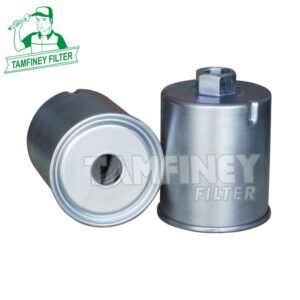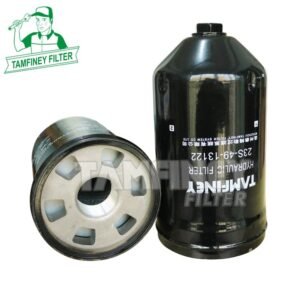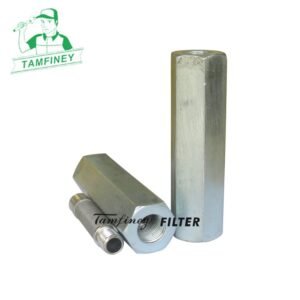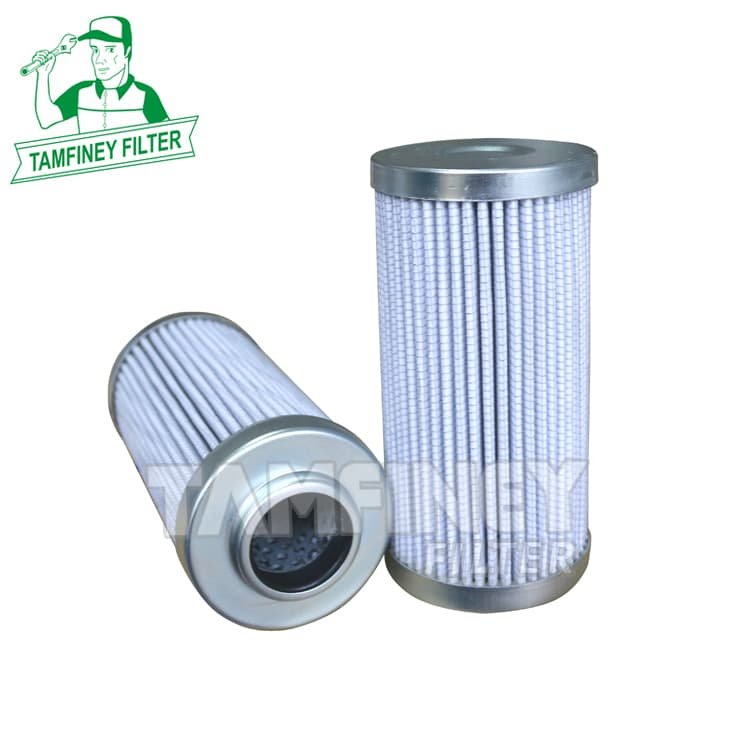



| Hydraulic Filter 5194879 47128208 5178100 P169447 HD509 Parameter: | |
| Part Number | 5194879 47128208 5178100 P169447 HD509 |
| Brand | Tamfiney |
| Weight | 136 g |
| Height | 113 mm |
| Outer Diameter | 54 mm |
| Inner Diameter | 24 mm |
| Material | Metal & Glass fiber |
| Filter Media | Glass fiber with mesh blend |
| Typical Working Pressure | Up to approx. 6–10 bar |
| Filtration | Approx. 5–10 micron |
| Temperature Rating | Up to approx. 100–120°C |
| Minimum Order | 100 PCS |
| Place of Region: | Zhejiang, China |
| Payment Terms: | T/T |
| Price Terms: | FOB |
| Lead Time: | 30 to 50 days based on order quantities |
| Market Type: | After Market |
| Current Export Market: | Southeast Asian,North America, South America, Western Europe, Eastern Europe, Africa, Oceania |
Applications:
- New Holland Tractors & Series:
- T4 Series: T4.65, T4.75, T4.85, T4.90, T4.95, T4.100, T4.105, T4.110, T4.115, T4.120
- T4000 Series: T4020, T4030, T4040, T4050 (including V variants)
- T5000 Series: T5030, T5040, T5050, T5060, T5070
- TL & TN Series: TL70, TL80, TL90, TL100 (and A/VA/F variants), TN55, TN60, TN65, TN70, TN75, TN80, TN85, TN90, TN95
- Case IH Tractors & Series:
- Farmall Series: Farmall 60 through 120 series (C, N, U, V variants)
- JX Series: JX70U, JX90U, JX1080U, JX1085C, JX1090U, JX1095C, JX1100U
- Case Excavators:
- WX148 through WX218 series
Premium 5194879 47128208 5178100 Hydraulic Filter P169447 HD509
Q: What is a hydraulic pilot filter on an excavator?
The hydraulic pilot filter on the excavator is a high-precision exclusive filtering component, designed specifically for the pilot control oil circuit. It is the "precision protective gatekeeper" in the three-level filtering system of the excavator hydraulic system, directly determining the accuracy and stability of the whole machine operation.
🔍 Core Structure and Parameters
- Filtering accuracy: Generally ranging from 10 to 25 microns, some high-end models can reach 3 to 5 microns, far higher than ordinary oil inlet and return filters, specifically designed to intercept micron level fine impurities.
- Working environment: Suitable for low-pressure conditions of 3-5 MPa in the pilot system, with low flow rate but extremely high requirements for oil cleanliness.
- Filter material configuration: The original factory often uses multi-layer glass fiber composite filter materials, which have high pollutant carrying capacity and pressure resistance, and can continuously and stably intercept pollutants.
📍 Common installation locations
The layout of different models varies slightly, and the mainstream installation points are concentrated in these areas:
- The most common arrangement is above the hydraulic oil tank or at the inlet of the hydraulic pump.
- The outlet of the pilot oil pump and the front end of the pilot control valve group.
- Some models are arranged next to the engine air filter and near the hydraulic pump, presented in the form of a black cylindrical filter canister.
⚙️ Function
- Protect of precision components: Thoroughly intercept metal debris, aging residues of seals, and invading dust in the oil, to prevent micrometer level fitting clearances of pilot valves, proportional valves, solenoid valves, and other components from being stuck or worn out by impurities.
- Ensure control feel: Maintain precise transmission of pilot control signals, make the pilot handle respond and follow the hand, and prevent abnormal control such as slow movement, lagging, deviation, and misoperation.
- Emergency safety protection: Equipped with a low-pressure bypass valve, adding an opening pressure of 0.1~0.2MPa, it automatically opens the oil circuit when the filter element is blocked, avoiding complete interruption of pilot oil, and reserving space for emergency operation.
🛠️ Key points of basic maintenance
- Regular replacement cycle: replace every 500~1000 working hours, and shorten to 300~500 hours for harsh working conditions with high dust and humidity.
- Abnormal warning signal: When there is an increase in pilot operation force, delayed response of the handle, high-frequency whistling of the hydraulic pump, or the instrument panel pilot blockage alarm light is on.
- Replacement precautions: Before replacement, the system must be stopped to release residual pressure. Apply hydraulic oil to the sealing ring of the new filter element and manually tighten it, then rotate it 3/4 of a turn. Do not overtighten to cause thread deformation.
Q: What is the function of hydraulic pilot filter?
The hydraulic pilot filter is a dedicated precision protection component for hydraulic pilot control circuits. Its core function is to intercept micron-level fine impurities in pilot oil with high precision, providing targeted protection for the precision components of the pilot system and ensuring the accuracy and stability of overall machine operation.
🛡️ Core Filtering and Protection Function
- High-Precision Impurity Interception: The filtration accuracy can reach 3-20 microns, far exceeding that of standard oil inlet and return filters. It is specifically designed to intercept fine suspended impurities such as residual debris from system assembly, oil oxidation gum, and wear fragments from seals, maintaining ultra-high cleanliness of the pilot oil circuit.
- Protect core precision components: Protect Pilot Valve Core, pressure sensors, and precision control valves to prevent impurities from entering the micron-level mating gaps of components, fundamentally avoiding issues such as valve core sticking, abrasive wear from hard particles, and exacerbated internal leakage.
⚙️ Ensure system operational performance
- Maintaining Control Sensitivity: Clean pilot oil ensures the responsiveness of the pilot valve, allowing operators to precisely control equipment movements and avoid issues such as operational delays or a "sluggish" feel in the handle.
- Ensure smooth and safe operation: Thoroughly eliminate hazards such as valve core jamming, misalignment, and false actions caused by impurities, ensuring stable equipment operation throughout the entire process and avoiding safety risks from sudden control failures.