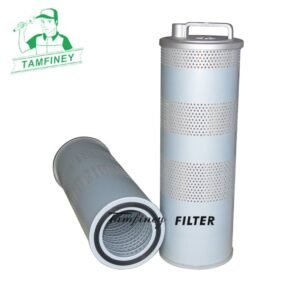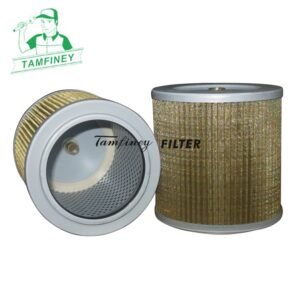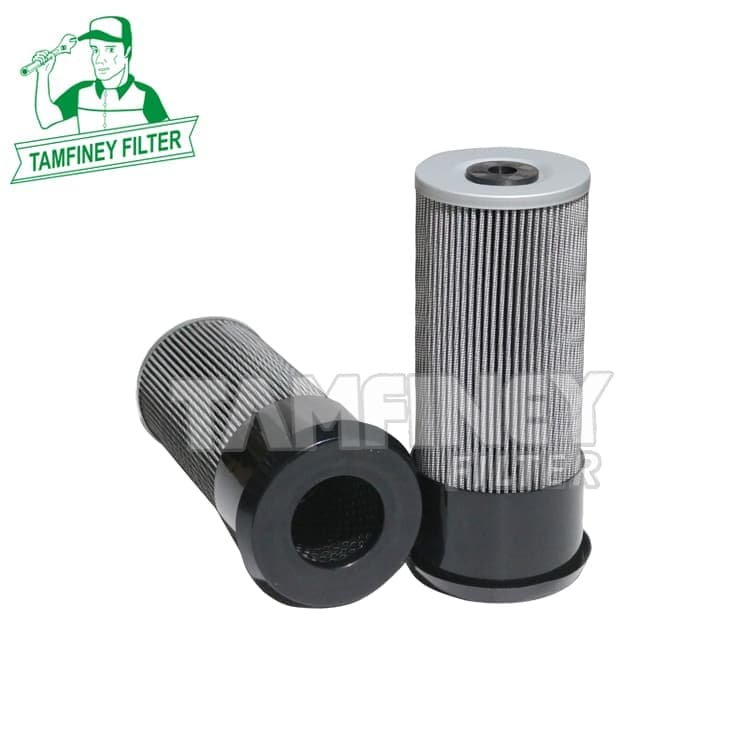


| Hydraulic Filter 42N-62-15470 42N6215470 V3.102358 HF35529 Parameter: | |
| Part Number | 42N-62-15470 42N6215470 V3.102358 HF35529 |
| Brand | Tamfiney |
| Weight | 651 g |
| Height | 233 mm |
| Outer Diameter | 107/92 mm |
| Inner Diameter | 53 mm |
| Material | Plastic & Glassfiber |
| Filter Media | synthetic glass fiber with Strainless steel blend |
| Typical Working Pressure | Up to approx. 6–10 bar |
| Filtration | Approx. 5–10 micron |
| Temperature Rating | Up to approx. 100–120°C |
| Minimum Order | 100 PCS |
| Place of Region: | Zhejiang, China |
| Payment Terms: | T/T |
| Price Terms: | FOB |
| Lead Time: | 30 to 50 days based on order quantities |
| Market Type: | After Market |
| Current Export Market: | Southeast Asian,North America, South America, Western Europe, Eastern Europe, Africa, Oceania |
Applications:
KOMATSU WB 93 R-5WB 93 S-5WB 97 R-5E0
Professional 42N-62-15470 42N6215470 Hydraulic Filter Element V3.102358 HF35529
Q: Do you have to fill a hydraulic filter before installing?
Before installing the hydraulic filter, there is no need to inject oil into the filter element in advance. Lubrication treatment only needs to be done at specific locations, and the oil suction hydraulic filter should be installed first before adding hydraulic oil to the system oil tank. The specific operating requirements are as follows:
Pre installation operations for different types of hydraulic filters
- External oil return/pressure pipeline hydraulic filter: Before installation, there is no need to inject oil into the filter element. Simply apply a thin layer of clean hydraulic oil on the surface of the rubber sealing ring of the new filter element to lubricate and assist in sealing. Manually screw in the filter element until the sealing ring contacts the filter seat, and tighten it to the specified torque.
- Built in oil suction strainer: Before installation, there is no need to inject oil in advance. After installation, add hydraulic oil to the oil tank to prevent impurities from directly entering the main pump when the filter element is not installed.
- Spin-on hydraulic filter: It is forbidden to fill the filter element with oil in advance to avoid oil overflow and external impurities during installation, which may affect the cleanliness of the system oil.
Oil injection specification after installing hydraulic filter
After all hydraulic filters are installed in place, add hydraulic oil to the hydraulic oil tank until the oil level reaches the standard position marked on the level gauge. When parked, ensure that all cylinders are fully retracted.
The new hydraulic oil added must be filtered, and it is recommended to use a filter car to add it to avoid impurities from entering the system.
After the oil injection is completed, the main pump must be purged. Loosen the pipe joint at the top of the main pump and tighten it after the oil overflows without bubbles to prevent problems such as cavitation, abnormal noise, and even damage to the main pump.
Key points for avoiding pitfalls
- Before installing the hydraulic filter, it is necessary to release all residual pressure in the system, close the relevant oil port valves, drain the residual old oil in the filter housing, clean the impurities inside the filter seat, and then install a new filter element.
- Mixing hydraulic oil of different grades and brands is prohibited. Before adding, it is necessary to check that the oil type matches the equipment requirements completely.
- After installation, run the system without load first, check that there is no oil leakage at the connection of the filter element, and that the system pressure and flow parameters are normal before putting it into formal load operation.
Q: How many hours is a hydraulic filter good for?
There is no unified fixed standard for the service life of hydraulic filters, and there are significant differences in the service life of different types of filter elements and operating environments. The reference time for conventional operating conditions is as follows:
The conventional service life of different types of filter cartridges
- Oil suction strainer: needs to be replaced every 2000 hours of operation under normal working conditions
- Return oil filter: Replace after 250 hours of initial use, and replace every 500 hours of cumulative operation thereafter; Some high-quality models can achieve a usage time of 20000~30000 hours
- Fiberglass hydraulic oil filter: can be used for 2000-3000 hours under clean working conditions such as precision machine tools.
Key factors affecting actual service life
- Working environment: Steel mills, mines, and other dusty and harsh environments will double the rate of filter element loss. It is necessary to flexibly shorten the replacement cycle through oil cleanliness testing
- Filter material: Poor quality fiberglass and ordinary filter paper have a much shorter filter life than high-quality fiberglass and stainless steel sintered filter materials
- Oil quality: Poor quality hydraulic oil and long-term unrepaired dirty oil can significantly accelerate filter clogging and directly shorten the service life
- Operating status: When the pressure difference of the filter exceeds 0.3 MPa, the flow rate significantly decreases, or the transmitter alarms, regardless of the accumulated working time, the filter element must be replaced immediately