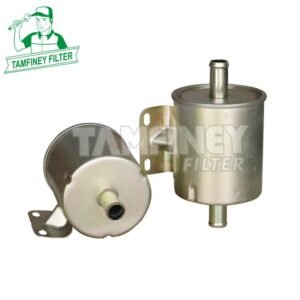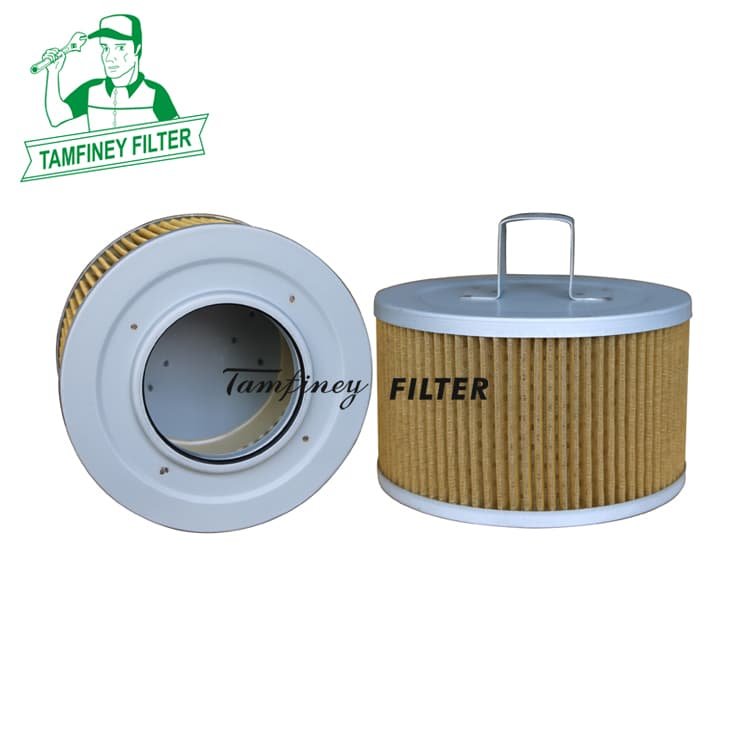



| Hydraulic Filter 4190987 4125320 HF28931 H-2714 Parameter: | |
| Part Number | 4190987 4125320 HF28931 H-2714 |
| Brand | Tamfiney |
| Weight | 577 g |
| Height | 128/89 mm |
| Outer Diameter | 150 mm |
| Inner Diameter/ Thread Size | 73*M10x1.5 mm |
| Minimum Order | 100 PCS |
| Place of Region: | Zhejiang, China |
| Payment Terms: | T/T |
| Price Terms: | FOB |
| Lead Time: | 30 to 50 days based on order quantities |
| Market Type: | After Market |
| Current Export Market: | Southeast Asian,North America, South America, Western Europe, Eastern Europe, Africa, Oceania |
Applications:
CASE CX 130CX 130CX 130 BCX 130 C TIER 4 D-SRCX 145 D-SRLCCX 160 BCX 160 D-LCCX 160 D-LCCX 160 E-LCCX 180 D-LCCX 180 D-LCCX 180 E-LCCX 210 C TIER 4
JCB JZ 70
KUBOTA KX 251KX 251 ALPHAKX 251 ALPHA
Professional 4190987 Oil Suction Filter 4125320 HF28931 H-2714
Q: How often should suction filters be changed?
The hydraulic oil suction filter element is usually replaced every 2000 hours of operation, and must be after the first 250 hours of new or major repairs; The specific cycle needs to be dynamically based on the working conditions, pressure difference, and oil detection results.
Core replacement standard
- First replacement: The equipment has been running for 250 hours.
- Regular cycle: Replace every 2000 working hours thereafter.
- Mandatory replacement condition: Regardless of the duration, if the pressure difference exceeds 0.3 MPa or the cleanliness of the oil detection does not meet the standard, you must replace immediately.
- Adverse working conditions: dusty environments such as mines and steel mills. You can shorten the duration to 1000-1500 hours or determine based on oil sample testing.
Key influencing factors and judgment criteria
The replacement cycle is not a fixed value and needs to be determined based on the following dimensions:
- Working environment: environments with high dust, high temperature, or heavy pollution require a significant reduction in cycle time.
- Differential pressure monitoring: When an oil suction filter is installed, pay attention to the differential pressure indicator. If there is a blockage alarm, replace it immediately.
- Oil testing: Regularly sample and analyze the particle size. If the cleanliness deteriorates quickly, it should be replaced in advance.
- Abnormal signs: The system may experience suction noise, pump cavitation, or a decrease in flow rate, which may indicate a clogged filter element.
Q: What does a suction filter do?
The core function of the hydraulic system oil suction filter is to be installed at the oil pump suction port, intercept large particle impurities to protect the hydraulic pump from damage, and prevent cavitation and cavitation caused by inhaling pollutants.
Main functions
- Protection of hydraulic pump: Filter out residual welding slag, rust, and large particles of impurities that invade from the outside of the oil tank to avoid wear or jamming of the pump body.
- Preventing cavitation and cavitation: As a coarse filter (usually with an accuracy of 80-150 μ m), it ensures minimal flow resistance, maintains oil suction pressure, and prevents cavitation caused by poor oil suction in the pump.
- Preliminary pollution control: blocking macro pollutants from entering the system circulation, but not undertaking the main task of controlling the overall cleanliness or micro particle pollution of the system.
Key characteristics and limitations
- Installation position: Immerse in the pump suction pipeline below the oil tank level.
- Filtering accuracy: It is mostly coarse filtering (100-200 mesh metal mesh), with an accuracy of usually around 0.1mm, and cannot filter out small particles.
- Pressure drop requirement: It is necessary to maintain extremely low pressure loss, otherwise it will cause insufficient oil suction of the pump; If the blockage is severe, a self sealing valve or transmitter alarm should be equipped.
- Non precision filtration role: It is not the main means of controlling the concentration of micro particles in the system, and high-precision protection needs to rely on high-pressure or return oil filters.