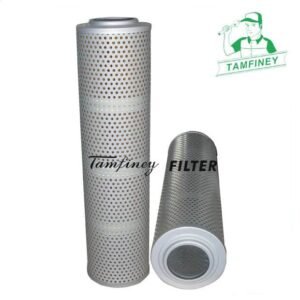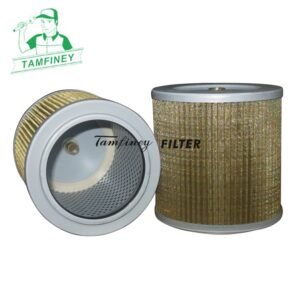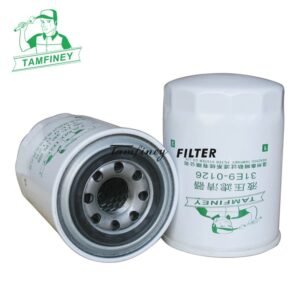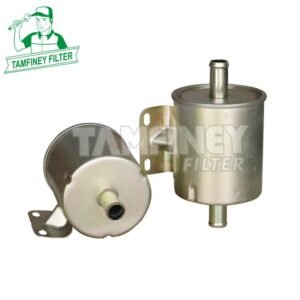

| Hydraulic Filter 3621163 362-1163 SH66279 HY90815 Parameter: | |
| Part Number | 3621163 362-1163 SH66279 HY90815 |
| Brand | Tamfiney |
| Weight | 834 g |
| Height | 274/297 mm |
| Outer Diameter | 122/112 mm |
| Inner Diameter/ Thread Size | 40 mm |
| Minimum Order | 100 PCS |
| Place of Region: | Zhejiang, China |
| Payment Terms: | T/T |
| Price Terms: | FOB |
| Lead Time: | 30 to 50 days based on order quantities |
| Market Type: | After Market |
| Current Export Market: | Southeast Asian,North America, South America, Western Europe, Eastern Europe, Africa, Oceania |
Applications:
- CATERPILLAR 306 E2308 C 2 CR308 E 2308 E 2 CR308 E 2 CR415 F2416 E416 F2420 F2420 F2-IT427 F2428428 F428 F2430 F2430 F2-IT432432 F432 F432 F2434434 F 2444444 F444 F2450 E450 F
Professional 3621163 362-1163 SH66279 HY90815 HYD Filter
Q: How do I choose the right hydraulic filter?
The selection of hydraulic filters requires a core matching installation position, filtration accuracy (β value), pressure resistance level, and flow capacity to ensure consistency with the cleanliness requirements and operating parameters of system components.
5-Step Core Selection Method
- Confirm installation spot and functional needs. Suction lines use coarse, high-flow mesh filters to stop cavitation. Pressure lines use fine, strong filters to guard valve parts. Return lines use mid-fine filters to keep the tank clean. Bypass lines can add separate loop filtration units.
- Match the right filter precision, the key step. Set rating based on the gap of your most sensitive parts. Servo valves need filters no bigger than 3μm. Proportional valves take filters no bigger than 5μm. Common high-pressure systems use 10μm filters. Low-pressure systems can pick 20μm filters. Prioritize beta ratio like β≥75 or β≥200. Do not only refer to the nominal precision mark.
- Check pressure resistance and structural strength. Pressure line filters beat max system working pressure. They must pass the ISO 2941 burst resistance test. Return and suction filters have lower pressure needs. Still, you need to consider their long-term fatigue strength.
- Calculate flow capacity and pressure drop values. Total drop under rated flow stays below 0.2MPa. High-pressure filters keep it under 0.1MPa. Return filters keep it under 0.05MPa. This avoids back pressure or suction empty issues.
- Check fluid compatibility and working environment. Filter media like glass fiber or sintered steel fit the oil. They follow ISO 2943 for mineral oil or water glycol. They work across -30℃ to 110℃ temperature range.
Key Parameter Reference Table
Suction filters: 100-180μm coarse, high flow, low drag. They use mesh or edge types to stop pump cavitation.
Pressure filters: 3-10μm fine, 21-42MPa high pressure. They have built-in bypass valves and sit at pump outlets.
Return filters: 10-20μm, under 1.6MPa low pressure. They resist flow pulsation and sit on return lines.
Pilot Filter: High performance filter element with servo system requiring β _x (c) ≥ 200; High pollutant carrying capacity and anti fatigue design are required in harsh environments.
Common Mistake Avoidance Tips
Do not blindly chase ultra-high filter precision. Too fine filters spike pressure drop and shorten service life. Balance part protection effect and system flow resistance. Tell nominal precision apart from absolute precision. Marked values on tags are usually just nominal ratings. Real performance comes from ISO 16889 multi-pass beta tests. Pay close attention to bypass valve pressure settings. High-pressure filters must have built-in bypass valves. They stop filter breakage or system flow loss when blocked. Set the opening differential pressure to a proper range.
Q: What are the symptoms of a bad hydraulic filter?
The core symptoms of hydraulic filter damage are: abnormal system pressure , delayed/weak actuator action, rapid increase in oil temperature, increased noise, and rapid contamination of hydraulic oil.
- Abnormal pressure: Blockage of the filter element leads to a sharp increase in inlet/outlet resistance, causing suction or insufficient pressure on the supply side, or a surge in back pressure on the return side; If the bypass valve is opened, the system pressure will experience significant fluctuations or the rated pressure cannot be established.
- Slow and powerless movement: The obstruction of oil flow causes the cylinder/motor to slow down, crawl, and respond slowly, resulting in insufficient thrust or mid stop under heavy loads.
- Abnormal heating: The oil flowing through the clogged filter element generates a huge pressure drop, and the internal leakage increases, causing the hydraulic oil temperature to rise rapidly and even triggering an overheating alarm.
- Noise and vibration: The blockage of the oil suction filter causes pump cavitation, and the blockage of the return oil leads to increased pipeline vibration, resulting in a significant increase in overall system noise.
- Secondary pollution and wear: The rupture of the filter element or the constant opening of the bypass valve allow unfiltered impurities to enter the system, resulting in cloudy and blackened oil, stuck valve core, abnormal wear of the pump body, and accelerated deterioration of the fault.
If accompanied by emulsification and whitening of the oil, rolling bubbles on the liquid surface, it is mostly due to system intake rather than simple damage to the filter element; If the oil is dark and has metal deposits, it indicates severe wear or bypass contamination caused by filter failure.