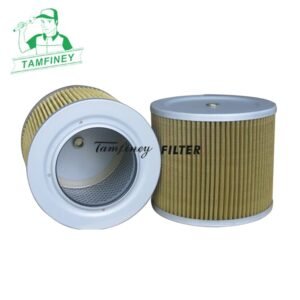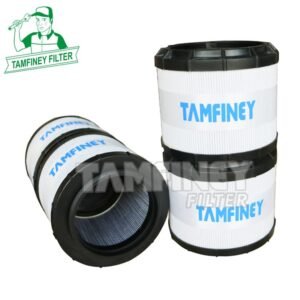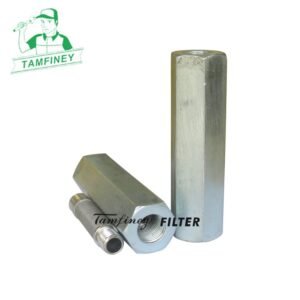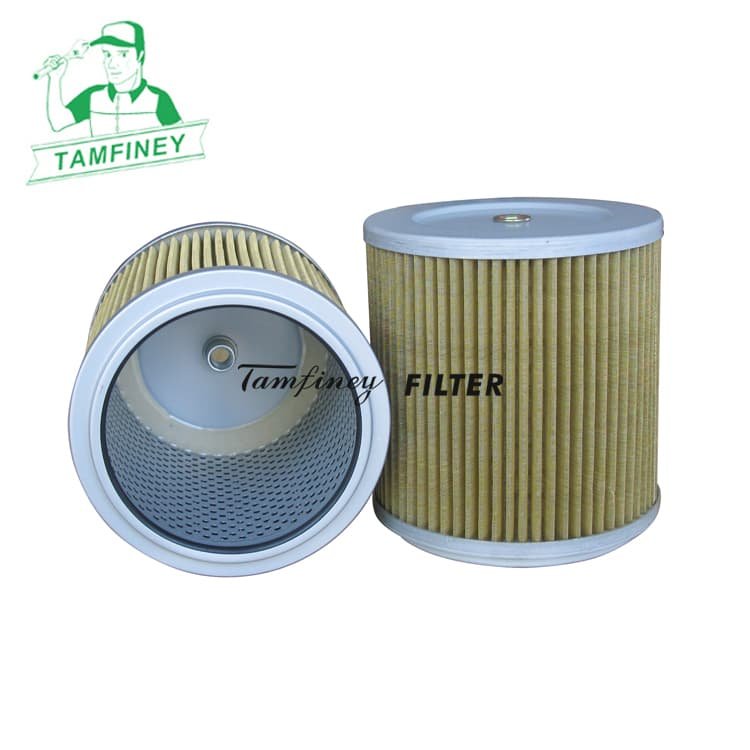
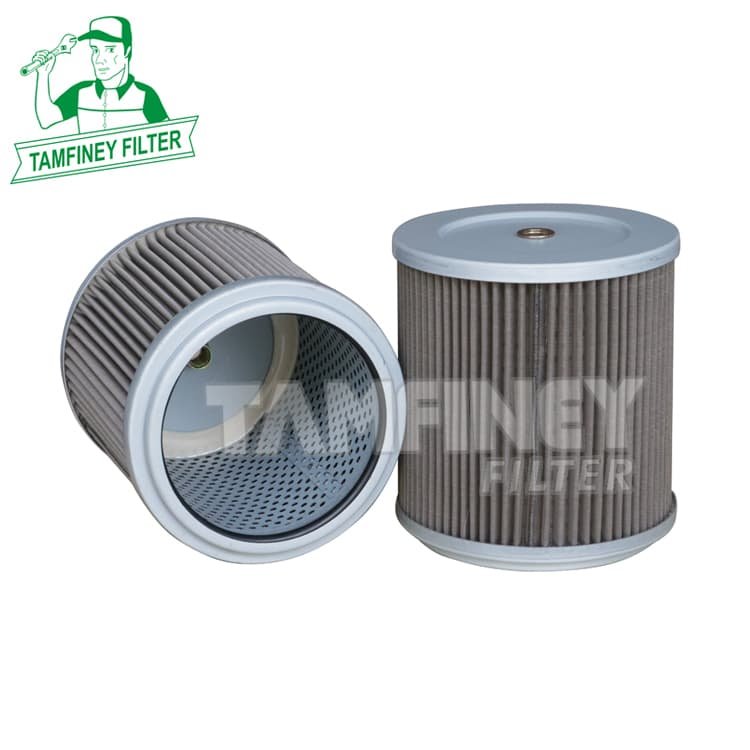


| Hydraulic Filter 22B-60-11160 22B6011160 20Y-60-31171 P502656 Parameter: | |
| Part Number | 22B-60-11160 22B6011160 20Y-60-31171 P502656 |
| Brand | Tamfiney |
| Weight | 553 g |
| Height | 128/135 mm |
| Outer Diameter | 125 mm |
| Inner Diameter | Φ100*M10X1.5 |
| Material | Metal & Strainless steel |
| Filter Media | 100-mesh or 125-micron stainless steel wire cloth Strainless steel blend |
| Typical Working Pressure | Up to approx. 6–10 bar |
| Filtration | Approx. 5–10 micron |
| Temperature Rating | Up to approx. 100–120°C |
| Minimum Order | 100 PCS |
| Place of Region: | Zhejiang, China |
| Payment Terms: | T/T |
| Price Terms: | FOB |
| Lead Time: | 30 to 50 days based on order quantities |
| Market Type: | After Market |
| Current Export Market: | Southeast Asian,North America, South America, Western Europe, Eastern Europe, Africa, Oceania |
Applications:
KOMATSU BR 380 JG1D 65 EX 17D 65 EXi-18D 65 LCi-11PC 360 NLC-11PW 140-7PW 148-10PW 148-8PW 148-8PW 160-10PW 160-7E0PW 160-7E0PW 160-7HPW 160-7K ESPW 160-8PW 180-10PW 200-7E0PW 220-7KWA 320-8WA 430-6WA 450-6WA 470-6WA 470-6 RWA 470-7WA 480-6
Premium 22B-60-11160 22B6011160 Hydraulic Strainer Filter 20Y-60-31171 P502656
Q: What is a hydraulic filter used for?
Main Function: Hydraulic filters are the "cleaning guardians" of hydraulic systems, dedicated to filtering out solid particulate pollutants (such as metal debris, dust, gum, etc.) in oil to maintain oil cleanliness, protect precision components from wear or jamming, ensure stable system operation, and extend equipment life.
Pollution interception
Prevent external intrusion of impurities (such as dust) and internal generation of pollutants (such as worn metal shavings) from circulating.
Some high-end models also have the ability to assist in oil-water/bubble separation, improving lubrication performance (not standard on all filters).
Component protection
Avoid abnormal wear, blockage, or failure of key components such as pumps, valves, and oil cylinders due to particle contamination.
Safety and Warning
Built in bypass valve: automatically releases pressure when the filter element is clogged, preventing system shutdown; -Equipped with a differential pressure transmitter: When the differential pressure exceeds the threshold (such as 0.35 MPa), it triggers an audible/visual/electrical signal alarm, prompting the replacement of the filter element.
Cleanliness control
Control the degree of oil contamination within the ISO standard level to meet the stringent cleanliness requirements of high-precision systems such as servo valves.
Q: How to tell if a hydraulic filter is bad?
Core judgment criteria: abnormal pressure differential, visual damage, oil contamination, and system operational symptoms.
1. Online Monitoring Indicators (No Disassembly Required)
Pressure differential alarm/measurement
When the system is equipped with a differential pressure indicator: a red light, buzzer, or pointer exceeding the threshold (typically 0.3–0.5 MPa, as specified in the equipment manual) indicates severe blockage or failure.
When no automatic alarm is triggered: Measure the pressure difference between the inlet and outlet of the filter element using a dual pressure gauge. The initial pressure difference for a new filter element must be <0.1 MPa; if it exceeds 0.3 MPa, immediate replacement is required.
System Anomaly Manifestation
- The actuator exhibits crawling, sluggish movement, and weak performance (caused by cavitation due to clogged oil suction filter);
- The blockage of the return oil filter causes back pressure to rise and oil temperature to abnormally increase (high risk of exceeding 80°C);
- After the bypass valve is opened, contamination continues (the warning light illuminates, but impurities still enter the system, indicating that the filter element has ruptured or the seal has failed).
2. Shutdown Inspection Items (Verification After Disassembly)
Physical damage: filter material rupture, folding collapse, skeleton deformation, aging/extrusion of sealing gaskets;
Pollutant characteristics: The surface is covered with a large amount of oil sludge, metal debris (copper/iron chips indicating pump/valve wear), and rubber particles (indicating seal damage);
Structural Integrity: Disposable filters must not be cleaned or reused—forced washing will damage the deep fibers, resulting in loss of filtration precision.
3. Supplementary Verification Methods
- Oil fluid inspection: Sample observation for turbidity and suspended particles; professional instruments measure cleanliness levels (e.g., NAS 1638). If the oil quality deteriorates rapidly after installing a new filter element, it indicates the filter is ineffective;
- Periodic Reference: Normal operating conditions—500–2000 hours or 3–6 months; harsh environments (dust, high temperature, frequent start-stop cycles) shorten to 1–3 months. Expiration ≠ failure, but prolonged operation significantly increases the risk of malfunction.
⚠️ Note: "Dirty" alone cannot determine damage—key is whether filtering capability is lost (uncontrolled pressure differential, by-pass valve normally open, secondary oil contamination). Any signs of damage require simultaneous inspection of tank oil quality, with oil replacement if necessary to prevent secondary clogging of new filters.