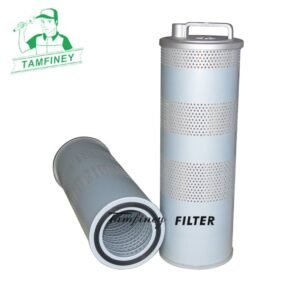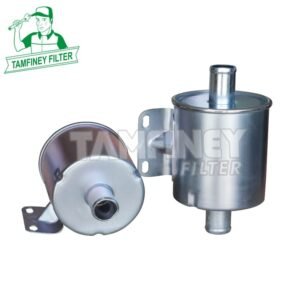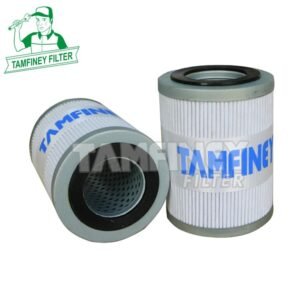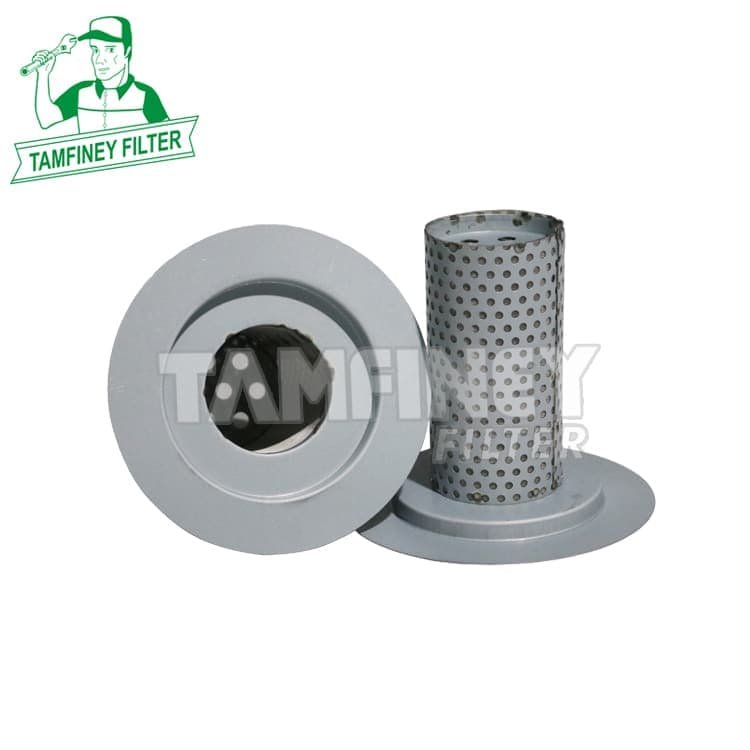



| Hydraulic Filter 203-60-52260 2036052260 Stainless Suction Strainer Parameter: | |
| Part Number | 203-60-52260 2036052260 |
| Brand | Tamfiney |
| Weight | 86 g |
| Height | 111 mm |
| Outer Diameter | 123/53 mm |
| Inner Diameter | 48 mm |
| Material | Metal & Valve |
| Filter Media | Main Control Valve |
| Typical Working Pressure | Up to approx. 6–10 bar |
| Filtration | Approx. 5–10 micron |
| Temperature Rating | Up to approx. 100–120°C |
| Minimum Order | 100 PCS |
| Place of Region: | Zhejiang, China |
| Payment Terms: | T/T |
| Price Terms: | FOB |
| Lead Time: | 30 to 50 days based on order quantities |
| Market Type: | After Market |
| Current Export Market: | Southeast Asian,North America, South America, Western Europe, Eastern Europe, Africa, Oceania |
Applications:
KOMATSU PC 100-5 (28001 →)PC 100-5 (48797 →)PC 100-5 C (28001 →)PC 100-6PC 120-5 (30001 →)PC 120-5 C (36601 →)PC 120-5 M (36601 →)PC 120-6ZPC 120-6Z-WPC 120 LC-6PC 128 UU-1 (S4D102/1001→)PC 130-5 C (36601 →)PC 130-6 (S4D102)PC 130-6 (S4D95)
Premium 203-60-52260 2036052260 Stainless Suction Strainer
Q: How do you clean and maintain a suction strainer?
Cleaning and maintaining the suction filter of hydraulic oil must strictly adhere to the safety operating procedures of the hydraulic system to prevent impurities from entering the oil circuit, damaging the oil pump, and ensuring stable system operation.
1.Pre-job Safety Preparation
- Pressure Release by Shutting Down: Completely stop the hydraulic equipment, cut off the power source, open the system vent valve to release residual pressure inside the cavity, and prevent pressurized oil from spraying and causing injury.
- Oil-proof protection: Place an oil tray beneath the filter, prepare oil-resistant gloves and goggles, and strictly prohibit open flames and smoking at the work site to prevent hydraulic oil from causing safety hazards.
- Environmental cleanliness: Wipe the area around the oil suction filter in advance to prevent foreign objects from falling into the oil tank or pipelines during disassembly.
2. Standardize the Disassembly Process
- Loosen the fixing bolts or clips on the filter cover, then slowly lift the cover to prevent debris adhering to the filter surface from falling back and flowing into the oil circuit.
- Carefully remove the oil suction filter screen/filter element and directly place it into the oil collection tray. Do not leave it on the ground to avoid secondary contamination.
- Check the O-ring seals accompanying the filter for wear, aging, or deformation.
3. Filter Cleaning Operation
- Preferred Reverse Flushing Method: Use clean hydraulic oil of the same model to perform low-pressure flushing from the outer side to the inner side of the filter (against the normal oil flow direction). Avoid excessive pressure to prevent filter deformation, and continue until the flushed oil appears visually free of visible contaminants.
- Auxiliary Cleaning Method: Soak and scrub with clean diesel; gasoline is strictly prohibited to avoid dissolving the adhesive layer inside the filter element, which could cause structural damage. After cleaning, use clean compressed air to dry from the outer side toward the inner side.
- Damage Assessment: After cleaning, inspect the filter surface with a 30x magnifying glass. If any mesh deformation, damage, or metal wire breakage is found, replace it with a new filter of the same model immediately and do not continue using it.
4. Key Points for Reset Installation
- Confirm the O-ring is in good condition. Replace it with a new one immediately if there is any wear to prevent oil leakage after installation.
- Reinstall the filter screen into the filter housing in the reverse order of disassembly, tighten the end cover bolts, and ensure proper sealing.
- After the equipment restarts, operate at low speed for 5-7 minutes, perform several full-stroke actions on each actuating component to expel residual air from the oil circuit and prevent cavitation noise in the oil pump.
5. Long-term Maintenance Standards
- Regular Cleaning Cycle: For hydraulic equipment in first use, the initial cleaning is required after 20 hours of operation. Subsequent cleanings should be performed every 500 cumulative hours of operation. The suction filter must be cleaned simultaneously with oil replacement or hydraulic system disassembly and maintenance.
- Daily Inspection Requirements: Before each startup, pay attention to the oil pump's operating sound. If abnormal hissing or poor oil suction occurs, prioritize checking whether the suction filter screen is clogged.
- Consumable Replacement Requirements: The oil suction filter screen is a wear-prone component. It is recommended to inspect its condition regularly on a monthly basis. Replace it with a new one after cumulative usage of 1-2 years or cleaning more than 3 times to prevent a decline in filtration performance.