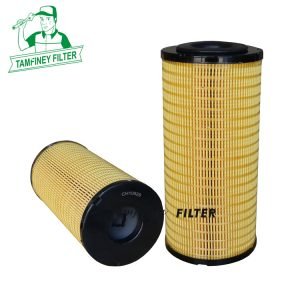

| Oil Filter 119305-35151 119305-35150 B1400 Parameter: | |
| Part Number | 119305-35151 119305-35150 B1400 |
| Brand | Tamfiney |
| Height | 65 mm |
| Outer Diameter | 68 mm |
| Inner Diameter/Thread Size | M20 x 1.5 |
| Minimum Order | 300 pcs |
| Place of Region: | Zhejiang, China |
| Payment Terms: | T/T |
| Price Terms: | FOB |
| Lead Time: | 30 to 50 days based on order quantities |
| Market Type: | After Market |
| Current Export Market: | North America, South America, Western Europe, Eastern Europe, Africa, Oceania |
What does a 119305-35151 oil filter fit?
JLG H 340 AJX 20 J PLUSX 26 JP
JYDELAND BOBMAN COMFORTBOBMAN POWERLEADBOBMAN SELFLOAD
KAESER M 20M 20M 20.2M 20 PE
KOHLER 3.5 CFZ3.5 EFZ3.5 ESZ4 CF4 CZ5.5 CF5 EFZ6.5 CFZ6.5 CZ6.5 ESZ
KRANMAN BISON 8000 6WD
KUBOTA B 1121 D-ECB 1161 D-ECB 1181 DT-ECB 1220B 1410 DB 1620B 1700B 1710 DB 1820B 1902B 2100 D/HDBX 1500 D-48BX 1500 D-54BX 1800 DBX 1830 DBX 1850 DBX 1870-1BX 231BX 2350 DBX 2370-1BX 24BX 25
LINCOLN RANGER 305 D
Premium 119305-35151 Oil Filter 119305-35150 B1400
Q: Does the 119305-35151 have a shelf life?
Products under the Baldwin brand, such as the B1400 model, typically refer to industrial components such as filters. Regarding its shelf life, it needs to be analyzed in conjunction with the product type and storage conditions.
The shelf life of filter products is generally short, especially when it comes to aging materials such as rubber seals, and long-term storage may affect performance. For example, Baldwin Filters' air or fuel filters typically have a shelf life of 2 to 5 years when stored in an unopened, dry environment, but this is subject to the manufacturer's instructions.
Q: How do I confirm it's the correct filter for my machine?
Assess how well equipment processing capacity matches filter flow rate. First, identify the device's rated flow rate (e.g., liters/minute or tons/hour) and working pressure range. Compare this with the filter's maximum processing capacity. For instance, if the device flow rate is 10 tons/hour, the filter flow rate must at least match this value. It should also have a 10%-20% margin to prevent efficiency drops or damage from overload.
Check filtration accuracy and media compatibility. The accuracy (e.g., micron value) must align with the particle size in the medium. For example, removing suspended solids requires ≤ 40 microns accuracy. Fine filtration may need ≤ 0.5 microns accuracy. Also, ensure the filter material (e.g., 316 stainless steel, polypropylene) suits the medium's chemical properties (e.g., acidity, alkalinity, corrosiveness). This prevents corrosion or contamination.
Verify physical and operational conditions adaptability. Consider parameters like temperature, pressure, and viscosity. For high-temperature media, choose heat-resistant materials (e.g., high-temperature alloys). In high-pressure environments, select reliable pressure-bearing filters. Additionally, account for the operating mode (continuous or intermittent). Evaluate maintenance requirements, such as automatic cleaning functions.
Reference industry standards and practical cases. For industrial applications, follow ISO or ASME standards to ensure compliance. In household scenarios, refer to product certifications (e.g., NSF certification). If similar equipment cases exist, compare their filter selection logic. This provides practical reference for better decision-making.
Q: Can you go 2 years without changing oil?
It is generally not recommended to not change engine oil in two years, as the oil can oxidize and degrade over time, losing its lubrication, cooling, and cleaning functions, which may lead to increased engine wear, sludge buildup, or component corrosion.
Oil changes should be comprehensively considered based on type, vehicle usage, and manufacturer recommendations. The lifespan of different oil types varies significantly: mineral oil is prone to degradation and should be changed every six months; semi-synthetic oil can be extended to annual intervals; fully synthetic oil offers high stability and may last up to a year, but changing it every two years still carries risks. Even with low mileage, oil can become contaminated due to engine residue, humidity, and other factors. Low-frequency users are advised to inspect oil condition annually (e.g., darkening or reduced viscosity) and follow the "whichever comes first" principle in vehicle maintenance manuals. To protect the engine, it's best to adjust the cycle flexibly based on actual driving conditions rather than adhering strictly to a fixed two-year interval.