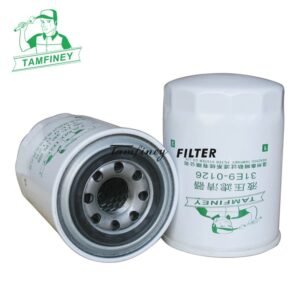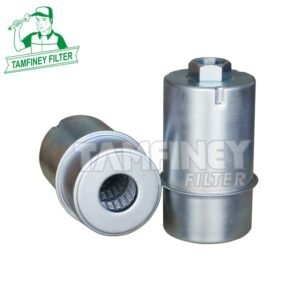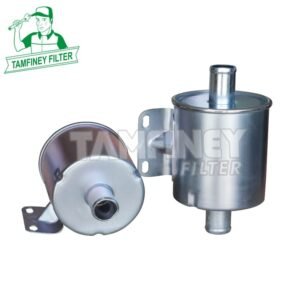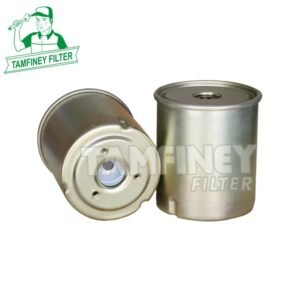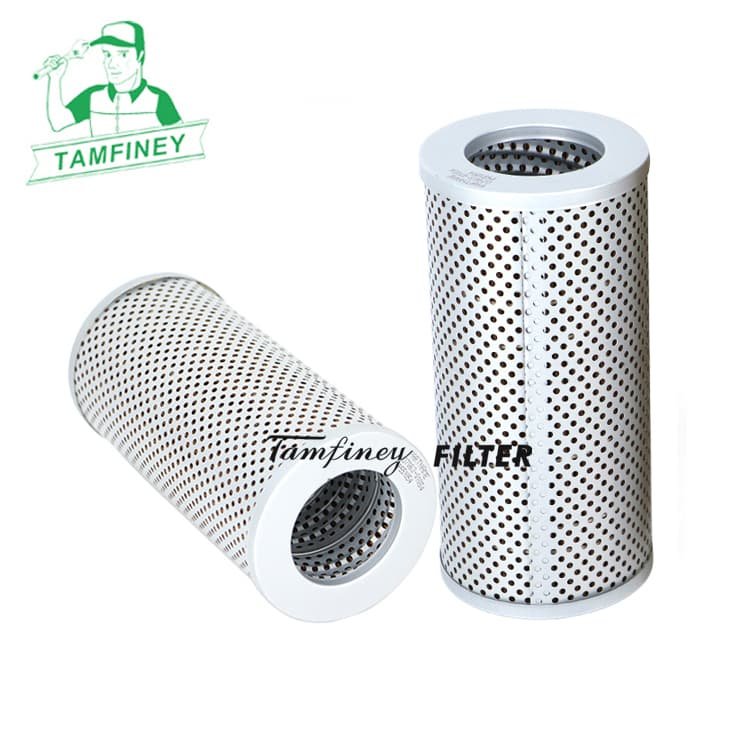


| Hydraulic Filter 07063-01054 14X-49-32750 HF28979 P551054 Parameter: | |
| Part Number | 07063-01054 14X-49-32750 HF28979 P551054 |
| Brand | Tamfiney |
| Weight | 785 g |
| Height | 210 mm |
| Outer Diameter | 100 mm |
| Inner Diameter | 60 mm |
| Material | Metal & Paper |
| Filter Media | High-efficiency pleated cellulose / synthetic fiber |
| Typical Working Pressure | Up to approx. 6–10 bar |
| Filtration | Approx. 5–10 micron |
| Temperature Rating | Up to approx. 100–120°C |
| Minimum Order | 100 PCS |
| Place of Region: | Zhejiang, China |
| Payment Terms: | T/T |
| Price Terms: | FOB |
| Lead Time: | 30 to 50 days based on order quantities |
| Market Type: | After Market |
| Current Export Market: | Southeast Asian,North America, South America, Western Europe, Eastern Europe, Africa, Oceania |
Applications:
BOBCAT 100 116 120 130 76
HITACHI KH 500
KOMATSU CT 60-1D 155 AX-5D 40 AD 40 PD 40 PLD 40 WA 120-3 KCWA 250-3WA 250-3 LWA 350-1
MITSUBISHI MS 070 MS 070-2 MS 070 L-2MS 070 L-2
Premium 07063-01054 Hydraulic Cartridge 14X-49-32750 HF28979 P551054
Q: What is the difference between a spin-on and a cartridge hydraulic filter?
Main Difference
Spin-on filters are full sealed assemblies you swap entirely. They focus on quick setup and tight system sealing. Cartridge filters are split structures where only the inner paper part gets replaced. They target high-precision filtration but have low flow capacity. Both can use paper media, yet their builds, upkeep and uses differ.
Structure Design
Spin-on filters have an all-in-one metal or steel outer shell. They thread onto the base and get replaced as a full unit. They come with built-in bypass valves, check valves and one leak-proof seal. Cartridge filters use folded paper wrapped around a support skeleton. You only swap the inner core, the outer shell stays in place. You undo bolted filter covers, which creates multiple sealing points.
Installation and Maintenance
Spin-on filters need no tools or just a simple wrench. Many optimized designs cut down messy oil drips during work. Cartridge filters need full shutdown first to release system pressure. You take off the cover, pull out the old core and clean the seat. You fit the new cartridge and swap out all old gaskets too. This process is tricky and easily brings outside contamination in.
Filtration Performance
Spin-on filters usually hit a filtration accuracy of 10μm or higher. They hold lots of contaminants, run at low resistance and last long. Cartridge filters cover an accuracy range from 5μm to 30μm. They work great for fine filtration tasks in tight cleanliness rules. They clog faster, carry less oil flow and fit low-pressure small lines.
Pressure Resistance and Working Conditions
Spin-on filters run at working pressure up to 10 bar max. Some oil return types top out at 0.7MPa for regular use. They handle temperatures from -10°C all the way up to 110°C. Cartridge filters mostly work in standard low-pressure settings. High-pressure use needs extra reinforced structural design support.
Typical Application Scenarios
Spin-on filters fit most construction machinery and car hydraulic systems. They work for lubrication loops, oil return lines and medium-pressure circuits. Cartridge filters go into high-precision hydraulic system setups. They serve spots with super strict oil cleanliness control rules.
Additional Notes
Both spin-on and cartridge filters often use paper or fiberglass media. Spin-on names highlight the full threaded swap installation method. Cartridge names point to the replaceable inner filter element feature. All paper filter types are one-time use, you cannot wash them clean. Cleaning ruins the fine fiber structure and breaks their filtration effect.
Pick spin-on filters for high-pressure main oil loops for best reliability. Use cartridge filters for pre-valve fine filtration to get high precision. Fit a pollution indicator and stick to regular replacement schedules. In the industry, "paper core" refers to all paper-made filter elements. "Spin-on" only points to that full threaded replacement structure. Pick the right one based on system pressure, flow, accuracy and upkeep.
Q: How often should a hydraulic filter cartridge be changed?
The hydraulic cartridge filter does not have a completely fixed replacement cycle, and there is a clear reference time under normal operating conditions. At the same time, it will be dynamically adjusted by multiple factors such as operating conditions and equipment types.
Conventional reference replacement cycle
- Oil suction filter: Replace it every 2000 hours of operation under normal working conditions.
- Return oil filter: Replace it after 250 hours of initial use, and replace it every 500 hours of cumulative operation thereafter.
- Hydraulic filter: When there are no special working conditions, the whole can be replaced in a coordinated manner according to a cycle of about 3 years.
Adjustment rules under special working conditions
- Adverse working conditions: In environments with high dust and heavy pollution such as steel mills and mines, do not stick to a fixed duration. Regularly take hydraulic oil samples to test cleanliness and flexibly shorten the replacement cycle.
- High load operation scenario: For equipment that uses high load accessories such as crushers and vibration hammers, the replacement of return oil and pilot paper core filters needs to be shortened to every 100 hours.
- Precision equipment scenario: Precision machine tools that require extremely high oil cleanliness must be replaced in advance even if the system pressure is unstable or there is abnormal noise during operation before the specified time.
Conditions for triggering replacement based on material and status
- The impact of material differences: Ordinary wood pulp paper filter cartridges have weaker durability, and the replacement cycle needs to be shortened by about 30% compared to composite resin reinforced paper core filter cartridges.
- Pressure difference triggered replacement: When the pressure difference between the inlet and outlet of the filter element reaches 1.5 times the initial value, or when the pressure difference transmitter alarms, it must be replaced immediately without reference to the remaining working hours.
- Other triggering signals: When the device slows down, the oil temperature rises abnormally, or the transparency of the oil decreases significantly, the filter element should be replaced in a timely manner even if it has not reached the cycle.
Daily inspection assisted judgment
It is recommended to conduct a filter status check every 500 hours or every month to check for any leaks in the casing and whether the differential pressure indicator is triggered. Based on the oil status, the timing of replacement should be determined comprehensively to avoid damage to the hydraulic system due to prolonged service.