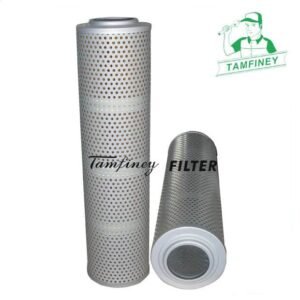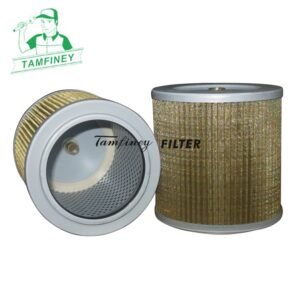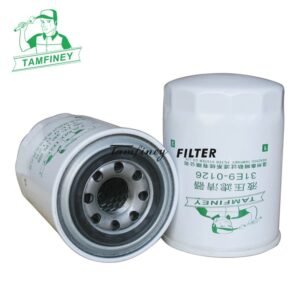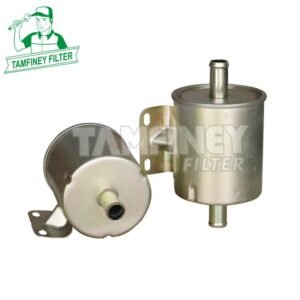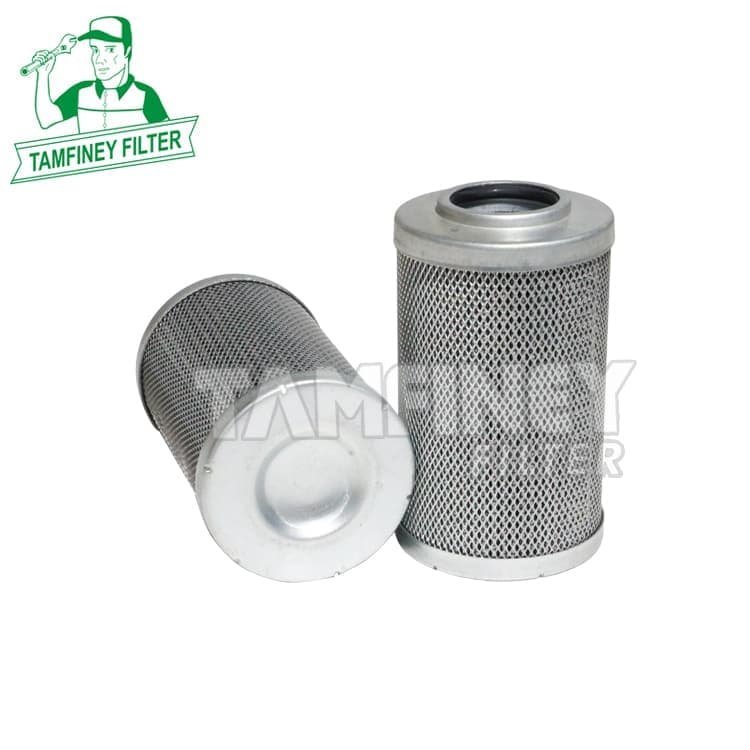


| Hydraulic Filter 0160D010BN4HC 0160D010BN3HC B222100000212 Parameter: | |
| Part Number | 0160D010BN4HC 0160D010BN3HC B222100000212 |
| Brand | Tamfiney |
| Weight | 300 g |
| Height | 112/116 mm |
| Outer Diameter | 70 mm |
| Inner Diameter | 34 mm |
| Material | Metal & Strainless Steel |
| Filter Media | Strainless Steel cloth with Strainless steel blend |
| Typical Working Pressure | Up to approx. 6–10 bar |
| Filtration | Approx. 5–10 micron |
| Temperature Rating | Up to approx. 100–120°C |
| Minimum Order | 50 PCS |
| Place of Region: | Zhejiang, China |
| Payment Terms: | T/T |
| Price Terms: | FOB |
| Lead Time: | 30 to 50 days based on order quantities |
| Market Type: | After Market |
| Current Export Market: | Southeast Asian,North America, South America, Western Europe, Eastern Europe, Africa, Oceania |
Applications:
BREINING
DINGLI
DYNAPAC
FASSI
FORUS
JCB
KALMAR
KLEEMANN REINER
KOMATSU FOREST
LAUPRETRE
LIEBHERR
MAGNI
MANITOU
MFL
NORDBERG
SOCAGE
TERBERG
WACKER
Professional 0160D010BN4HC Filter Replacement 0160D010BN3HC B222100000212
Q: Can a hydraulic filter be replaced without changing the fluid?
In hydraulic systems, only the filter is replaced without changing the oil, provided that the oil is clean and has not deteriorated. This approach is "only changing the filter, not changing the oil", which is technically feasible, but it is necessary to first determine the condition of the hydraulic oil and the reason for the replacement, and cannot be as a routine maintenance operation.
Let's be clear: what we're talking about here is the hydraulic system, not the engine oil system. The two are completely different things. There is not allowed over "only changing the filter element without changing the oil" on the engine side, but in the hydraulic system, as long as the oil is not polluted, it is completely allowed to replace the filter element separately.
In these situations, you can replace the filter:
- the oil is in good condition, there is no obvious particle sensation when touched by hand, and the condition is qualified;
- It is a very reasonable choice to replace the filter separately if there is a problem with the filter, such as blockage, pressure difference alarm, or if the filter element itself is damaged and leaking oil, and the oil has just been replaced;
- The oil change cycle has not yet arrived. Hydraulic oil should be replaced according to working hours or years, such as the standard cycle of 500 hours or one year.
It is absolutely not recommended to only replace the filter in these situations:
- the oil the color is black and turbid, there is emulsification, mixed with metal debris or odors, and replacing the filter alone is not effective.
- The filter can't stop the acidic substances, moisture, and gel like substances in the old oil.
- If you decide to change the hydraulic oil, all relevant hydraulic filters(return oil, suction, pilot) must be replaced completely, otherwise the pollutants in the old filter elements will quickly contaminate the new oil, which is equivalent to changing the oil for nothing and cannot achieve the purpose of cleaning the system.
Summary: If the oil is good but the filter element is damaged, only replace the filter; If the oil is dirty, it must be replaced together with the filter element. When unsure of the status, the safest way is to take a sample of the oil for cleanliness testing, or to operate directly according to the equipment manual requirements.
Q: What happens when a hydraulic filter gets clogged?
After the hydraulic filter becomes clogged, the system pressure will significantly drop, causing the equipment to operate more slowly or sluggishly. In severe cases, it can directly lead to hydraulic pump overload damage or even cause the entire system to fail.
This will specifically trigger the following types of chain reactions:
- Increased wear: When the filter element becomes clogged, contaminants bypass the filter and directly enter the hydraulic pump, cylinders, and valve assemblies, scratching precision-fitted surfaces and shortening component lifespan.
- Pressure abnormality: Clogged oil suction filter can cause difficulty in oil suction, creating local vacuum and cavitation, manifested as "creeping" and intermittent movement of the actuator at low speeds; clogged oil return filter will increase back pressure, making system operation "labored.".
- Oil Temperature Surges: The flow of oil is obstructed, leading to increased pressure loss and higher system energy consumption, which in turn raises the oil temperature. When it exceeds 80°C, the oil viscosity decreases, the oil film is damaged, leakage worsens, wear further deteriorates, and components may even seize or cause thermal deformation in the machine.
- Noise and abnormal sounds: The pump may emit a buzzing or unusual sound due to insufficient oil supply, and steering noise may also occur in the steering system.
- Bypass valve opens: Many filters are equipped with bypass valves. When severe blockage occurs, the bypass valve is forced to open, allowing contaminated oil to directly enter the system. While the surface may still appear functional, this essentially means the filtration fails, and contamination can rapidly spread to downstream components.